Nullam dignissim, ante scelerisque the is euismod fermentum odio sem semper the is erat, a feugiat leo urna eget eros. Duis Aenean a imperdiet risus.
Nullam dignissim, ante scelerisque the is euismod fermentum odio sem semper the is erat, a feugiat leo urna eget eros. Duis Aenean a imperdiet risus.

 author
An aluminum gate might look exactly like the catalog picture. But it can still show up at your house with the wrong opening direction. Sometimes the hardware is wrong. Other times, it just does not fit the space you have. Buying from overseas adds extra work. You have to deal with freight rules, import steps, and local setup. Do not pay a deposit right away. First, make sure your order clearly spells out the finished gate. Both sides need to know exactly what the job includes so they can check it. I always look at these problems first.
img.Installers measuring the clear driveway opening and checking site conditions for an aluminum gate.webp
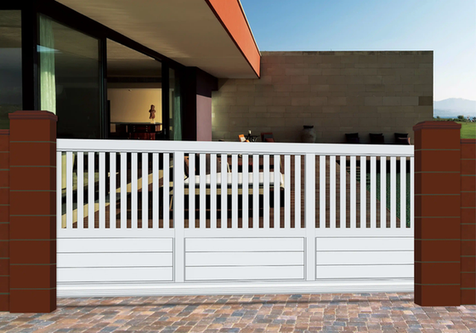
“Custom size and color” leaves too many blank spots in an order. You must state what the measurement actually means. Is it the clear opening? Or is it the gate leaf itself? Tell the seller the opening direction. List the infill type. Clearly say if posts, locks, a pedestrian gate, or a motor are part of the deal.
Let’s say a homeowner asks for a 4-meter gate. They usually expect 4 meters of empty space for cars to drive through. But a supplier might just give a price for a 4-meter leaf. Once you add posts and hardware, that space shrinks. Write down the clear opening. Note the gate type, direction, and paint finish. List every included part and the final delivery address. If you have not decided on a detail, mark it as pending. Then you and the maker can figure it out before they start cutting metal.
Does your entrance have multiple parts? List the main gate, pedestrian gate, fence, posts, motor, and controls as totally separate quote items. Doing this makes it super easy to spot missing things when you compare different suppliers.
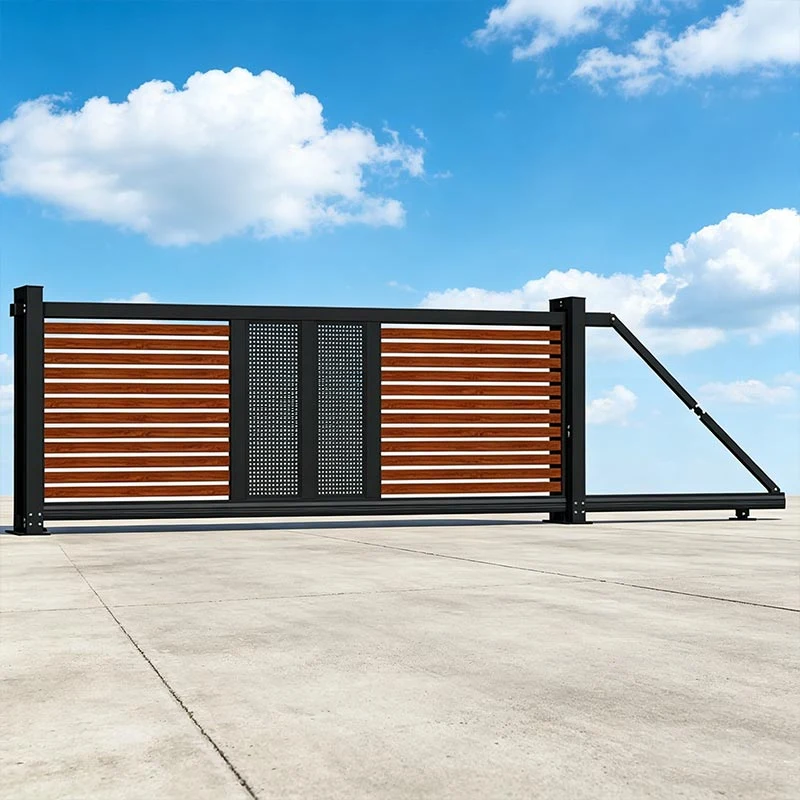
Just giving the opening width is a bad idea. It fails to show the gate’s travel path. It also hides nearby things blocking the way. A sliding gate needs free space along your fence line. A cantilever model requires extra room for its heavy end. And a swing gate needs an empty curved path to open smoothly. Even the slope of your driveway matters. It changes how high the gate sits off the ground.
Take measurements at the top, center, and bottom of the opening. Posts or ground stones might not be perfectly straight. Take a photo and draw your marks on it. This shows the supplier exactly where the tightest spots are.
Working on an old or uneven entrance? Send pictures of the driveway approach. Show the posts, walls, and any obstacles. Get a local installer to look at your current posts and foundations. They can tell you if those old parts can handle the weight.
If you live near the beach, think about salt in the air. Check the parts holding everything together so they do not rust. For cold places, ask how snow and ice will change things. Find out if the motor works well in freezing weather. These facts can change the type of gate you buy. Compare JHR’s sliding gate and swing gate categories. Pick the one that fits your measured space best.
A good order tells the maker exactly what to build. Name the alloy and temper. State the profile dimensions. Give the right wall thickness. Say how parts should connect. Make sure all these numbers match the approved drawing. Buying a very wide or open gate? Ask the supplier what kind of wind and site details they need to plan it safely.
Many things change how a gate needs to be built. Think about the width, height, and infill. Frame shape, supports, and local weather play a big part too. A heavier door puts more stress on hinges, rollers, posts, and the motor. Ask the supplier to promise that their build works for your exact opening and daily use. One simple thickness number is never enough to prove it.
Ask to see the profile shape on the drawing. Make sure the quote uses those exact sizes. Your local setup guy can then match those details against your posts and property.
Some JHR gate models use 6063-T5 aluminum alloy. If a price quote names a specific metal or profile, be careful. Check that info against the drawing and your final purchase order. Specifications can change depending on the model you pick.
Always check the finish and color code early. Do the same for hinges, rollers, tracks, and locks. List the fasteners and the posts you need. Have a home near the ocean? Ask which paint and metal parts handle salt air the best. You should ask for a real physical color sample if the gate must match your current fence or house walls.
Write out everything about the automatic parts. Do they include the motor? What kind of power does it need? How will you control it? List safety sensors, manual release keys, and wiring steps. Make sure they tell you how to start it up. If you are fixing up an old house, check if the new gate works with your old motor or keypad. Fixing mistakes later takes a lot of time and money.
Live in a snowy spot? Ask the motor maker about the exact temperatures it can handle. Think about how the gate will push through snow or ice. Just calling it “weatherproof” does not answer these real questions.
Ask them to write down how they paint it and how to wash it. The right choice depends on your local weather and the look you want.
A 3D picture helps you see how it looks. But that is not enough. Before they start making it, you must approve a real dimensioned shop drawing. Check the clear opening and leaf sizes. Look at the infill and where the posts go. See which way it opens. Check where the hardware and motor will sit.
Match this drawing to your own site numbers and the price quote. Keep a record of every change you agree to. Ask the seller if these changes alter the price or waiting time. This is very helpful when fixing old homes. A crooked wall or tilted path might force a quick design change. Keep your final approval in a dated email or order file.
Set the rules before they build anything. Agree on what makes the gate good to go. Talk about sizes, paint, color, and metal parts. Check how it moves and how they pack it. Add any special needs for your house. Ask when you can check it. Ask what test papers the seller will share.
Approve a paint sample before they color the whole gate. Does the exact shade matter a lot? Then get it right early. Buying lots of gates? State if inspectors will look at every single one or just a few. Pick the inspection day and make a checklist. Agree on how to handle parts that fail the test. JHR supports customer inspections and third-party testing. Just make sure to confirm the rules and time for your order.
If the size is wrong, look at the final drawing. Agree early on how the maker will fix and record a bad size.
Keep your approved drawing, color sample, test notes, and packing list in one place. You will need them when the truck arrives.
Different price lists cover different things. Ask every seller to break down their costs. Tell them to list the gate, hardware, and motor. Ask for the matching fence or pedestrian gate price. Add in the cost for packing, freight, and insurance. Ask about setup or testing help. Compare prices only when they deliver to the exact same spot.
The price paper should state the Incoterms rule. It should list the version and the city or port. ICC Incoterms® 2020 tells you who pays what. It shows who takes the risk and who does the work between buyer and seller. The rule you pick changes how shipping happens. Put customs, unloading, and setup duties right into the contract.
Ask if the price pays for import taxes and local fees. Add up the boat ride, port fees, customs, and truck delivery. This gives you the true final cost.
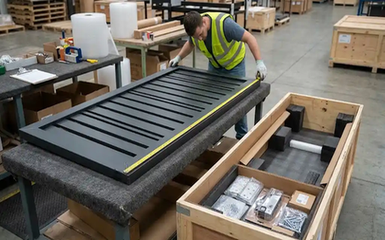
Ask how their export boxes keep parts safe. Ask how they label each piece. Find out who writes down damage when the truck unloads. Ask how big the boxes are. You need to know this if your driveway is tight or if you need a forklift. Very long parts might get stuck on a small street.
Ask what shipping papers they will send. You want photos of the boxes and a commercial invoice. Ask for a packing list and a bill of lading or air waybill. These papers help you match the boxes to the main shipment.
Know exactly when the waiting time starts. Does it start when you pay the deposit? Or when you say yes to the drawing? Get the build time, shipping weeks, and drop-off spot in writing. Finishing the build and getting it to your house are two different steps.
Say clearly who digs the holes, wires the power, and starts the motor. JHR lists packaging, transportation, technical support, and installation guidance among its services. Make sure you know what papers and phone help you get. Then find a local worker for the heavy lifting.
Get the warranty rules before you order. They must list what parts are safe. Find the start date and how to claim a fix. See what they refuse to pay for. Find out who pays for the worker’s time, shipping, taking it down, or putting it back up. The frame, paint, motor, controls, and small parts might have different rules. Ask what happens if the shipping truck breaks it or the setup guy makes a mistake.
JHR’s service page currently states a one-year comprehensive warranty covering parts. Ask them to tell you exactly which products and pieces this means. Ask if it pays for a worker’s time or the freight cost. Put all these rules into your sales contract.
img.Pre-shipment inspection of an aluminum gate with protective export packaging and wrapped hardware.webp
Before asking for a final price, prepare:
Clear opening width and height, plus photos and site measurements
Gate type, opening direction, and available travel or swing space
Finish and infill preference, including a reference sample if needed
Motor and access-control requirements, if applicable
The required posts, locks, pedestrian gate, and matching fence
Delivery address, unloading limits, and preferred delivery term
Inspection requirements and approval process for shop drawings
Installation responsibility and the warranty terms you need confirmed
JHR offers OEM/ODM and customization for dimensions, colors, and design. They help with drawings, checking the product, export packing, and shipping. Look at the product range and services. Then contact JHR with your site measurements and delivery details.
Send the clear opening measurements and site photos. Tell them the gate type, paint choice, and infill. List the hardware and automation needs. Give your delivery address and tell them who will set it up. Working on an uneven or renovated entrance? Give measurements from a few different points. Ask a local installer to verify the posts and ground clearance.
Yes. Approve a dimensioned drawing that shows real sizes. It must match the price quote and site measurements. Check the opening direction, metal parts, and motor preparation space. Write down the version you approved. Ask for a written note if they change anything later.
That depends on the written terms. Ask the supplier to write down all covered parts. Make them tell you if they pay for labor, shipping, removal, and reinstallation. Make sure you confirm this answer for your exact gate and motor in your order.