Key Features
Aluminum That Actually Holds Up
Structural-grade aluminum alloy isn’t marketed as premium because it sounds good — it’s used because it performs differently than mild steel in the environments where gates actually live. Coastal salt air, industrial chemical exposure, years of UV without repainting: the JHR frame handles these without surface treatment intervention. Steel gates in the same conditions typically need their first repaint within three to five years. The aluminum doesn’t.
No Track, No Compromise
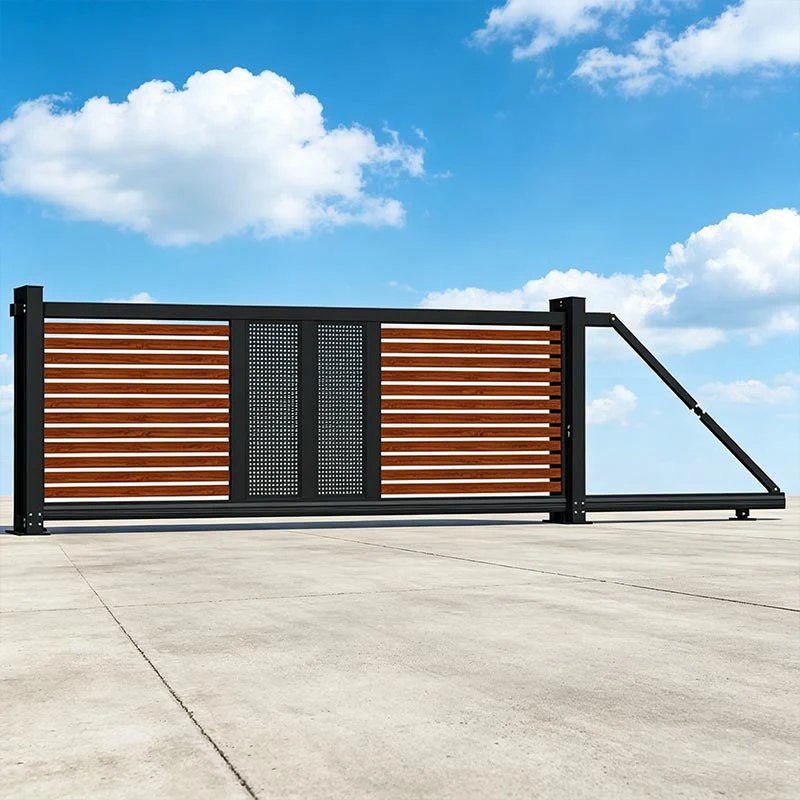
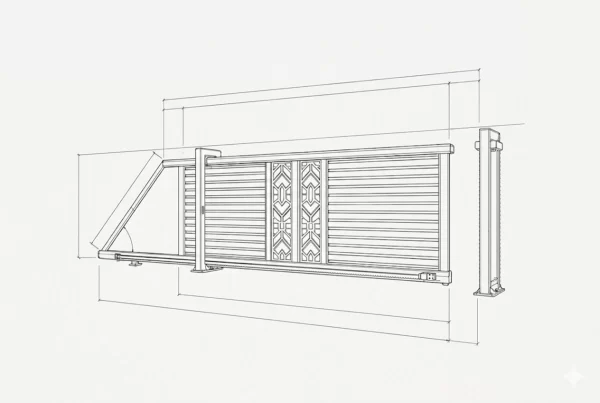
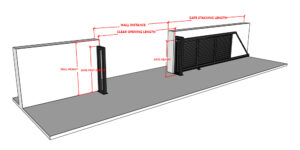
The cantilever design means the gate is suspended above the driveway surface at all times. There is no bottom rail to fill with leaves in autumn, ice over in January, or gradually sink out of level as the ground shifts. The roller carriages that carry the gate are precision-engineered and mounted to the posts — they’re doing all the work, quietly, without touching the ground. That’s what “trackless” actually means in practice.
Straightforward to Install, Low-Maintenance After
The post-and-carriage system goes up without specialized equipment. Alignment is done at the time of installation, and because the cantilever design distributes weight evenly across the support posts, the bearings and motor (if motorized) aren’t taking uneven stress. Fewer adjustments over time. Longer service intervals. The math works out in favor of the installer and the end-user alike.
Made to Your Dimensions, Not Theirs
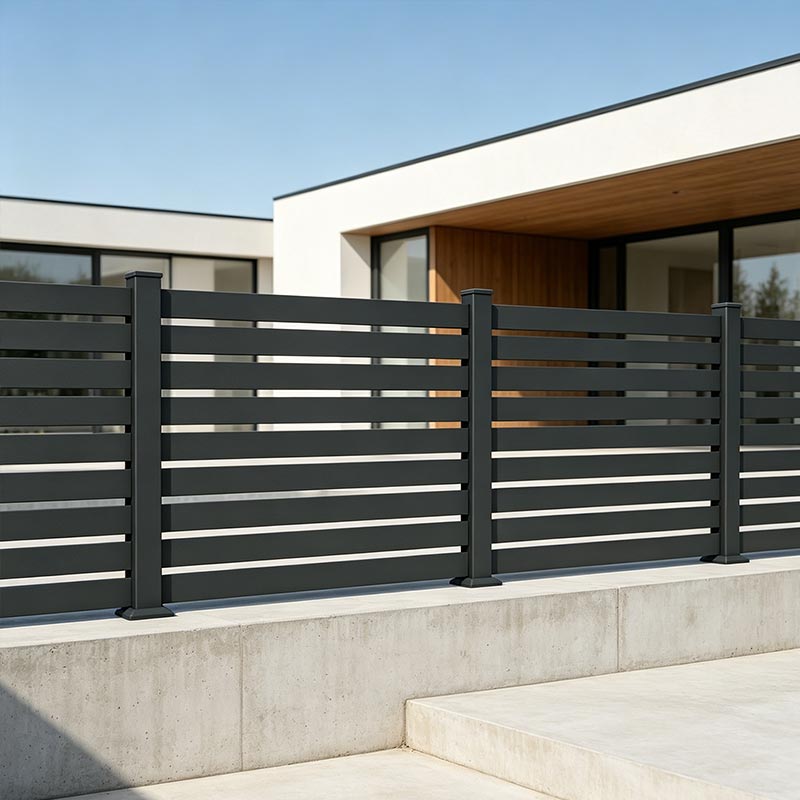
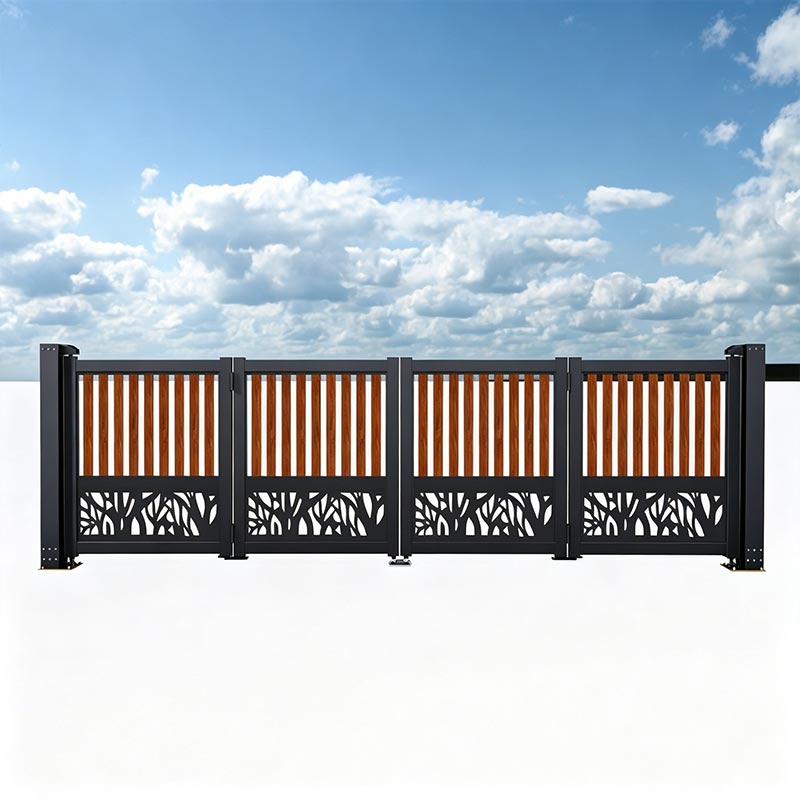
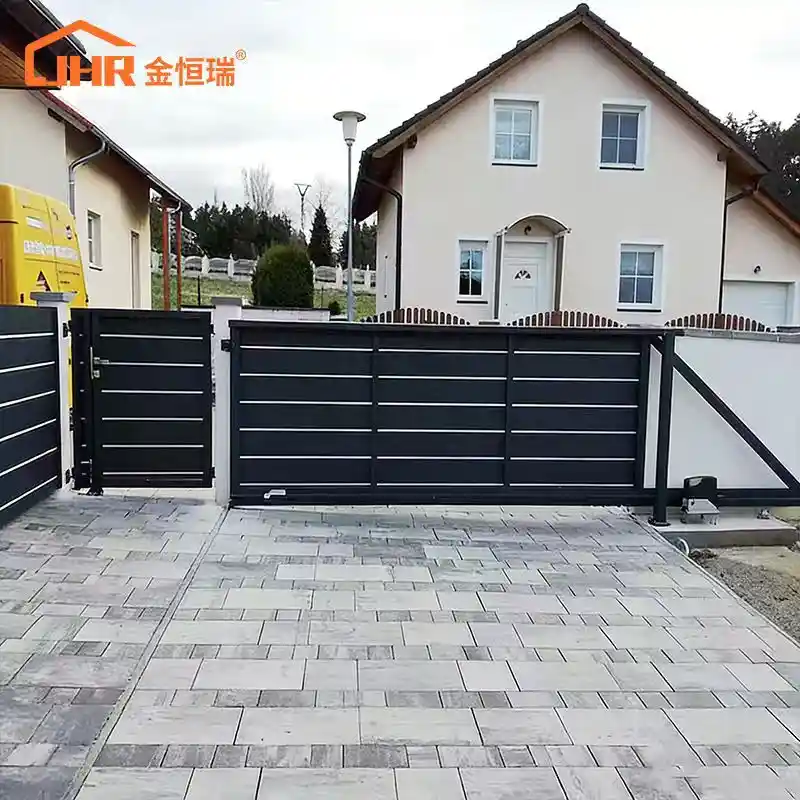
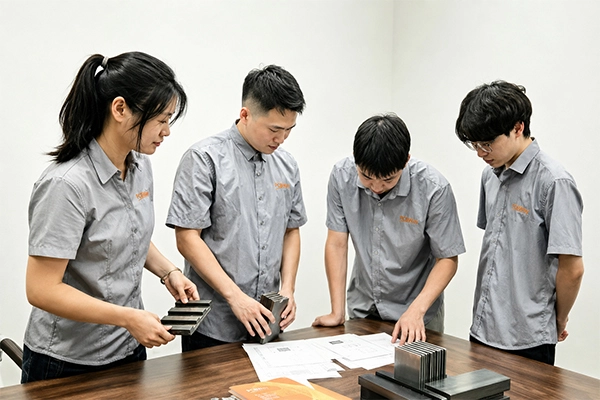
Every JHR cantilever gate is manufactured against a specific order — not pulled from warehouse stock and trimmed down. Gate width and height match your actual opening. Panel design (horizontal slats, louvre blades, decorative cutouts, solid privacy infill) is chosen to suit the property’s architecture. Color is selected from the full RAL palette, including dual-tone options where the frame and infill panels differ. If you’re also running aluminum fencing and posts on the same project, those can be finished to match.
Manual or Motorized — Same Frame Either Way
The structural gate is identical whether it ends up manually operated or automated. For motorized installations, the frame accepts rack-and-pinion drive systems from leading motor brands, with support for remote control, keypad entry, vehicle loop detectors, and smart home integration (including mobile app control). For sites where power access is difficult or the budget doesn’t support automation, the manual push-pull configuration uses the same gate — no design compromise.
cantilever gate
Product Specifications
| Item |
Details |
| Product Type |
Cantilever Sliding Gate (trackless / suspended) |
| Material |
Structural-grade aluminum alloy |
| Surface Treatment |
Powder coating — standard and custom RAL colors |
| Gate Width |
Custom — manufactured to your opening dimension |
| Gate Height |
Custom — per project requirement |
| Operation |
Manual push-pull or motorized (rack & pinion drive) |
| Color Options |
Full RAL palette; single or dual-tone available |
| Panel Design |
Horizontal slats / louvre blades / decorative cutouts / solid privacy infill |
| Corrosion Resistance |
Rust-proof, UV-resistant, weatherproof — no periodic repainting |
| Security Features |
Anti-climb, anti-lift roller carriage design |
| Applications |
Residential villa, commercial property, industrial and warehouse entrances |
| Customization Scope |
Size, color, panel pattern, automation level, matching fence and posts |
| Automation |
24V / 110V / 220V high-torque sliding gate motors; soft start/stop; smart and mobile system compatible |
Applications
Residential Villa Driveways
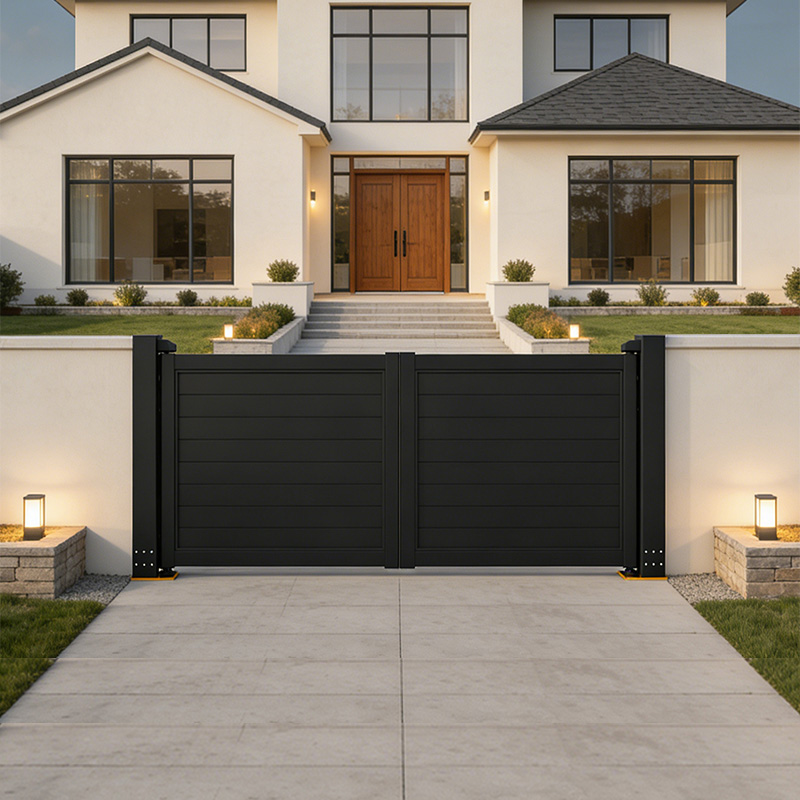
The proportions matter here — a cantilever gate on a private driveway reads differently than a swinging timber gate or a tracked steel panel. The clean horizontal lines, the absence of visible ground hardware, and the range of finishes available let it sit naturally alongside contemporary architecture or more traditional property styles. Security is built in through the anti-lift carriage design; aesthetics don’t take a back seat to get there.
Commercial Property Entrances
High-traffic commercial gates get used hard. No ground track means no trip hazard for pedestrians crossing the driveway, no debris buildup that needs clearing before the gate will cycle, and no alignment drift from heavy vehicle impact on a buried rail. Maintenance windows are shorter and less frequent — which matters for sites that can’t afford unscheduled downtime.
Industrial and Warehouse Facilities
The duty cycle on an industrial gate is a different conversation than residential use. Frequent daily cycles, exposure to chemical or coastal environments, and the need for reliable automation make the aluminum alloy frame a more practical choice than galvanized steel in most of these settings. The corrosion resistance holds up without scheduled recoating; the motorized drive handles the cycle count.
Customization Options
JHR manufactures directly — no intermediary, no middleman margin built into the quote. That means customization is priced at what it actually costs to produce, not at a premium for deviation from standard stock.
- Size: Width and height specified to your opening, not approximated from a range
- Color: Full RAL palette, single or dual-tone powder coat
- Panel Design: Horizontal slats, decorative cut patterns, solid privacy infill, louvre blades
- Operation: Manual or motorized with smart access integration options
- Matching Products: Swing gates, pedestrian gates, aluminum fencing, and posts — all available in matching finish as part of a complete entrance system