Nullam dignissim, ante scelerisque the is euismod fermentum odio sem semper the is erat, a feugiat leo urna eget eros. Duis Aenean a imperdiet risus.

Bi Folding Gate
Bi Folding Gate
Bi folding gate1
Bi folding gate2
Bi folding gate3
Bi Folding Gate
Bi Folding Gate
Bi folding gate1
Bi folding gate2
Bi folding gate3

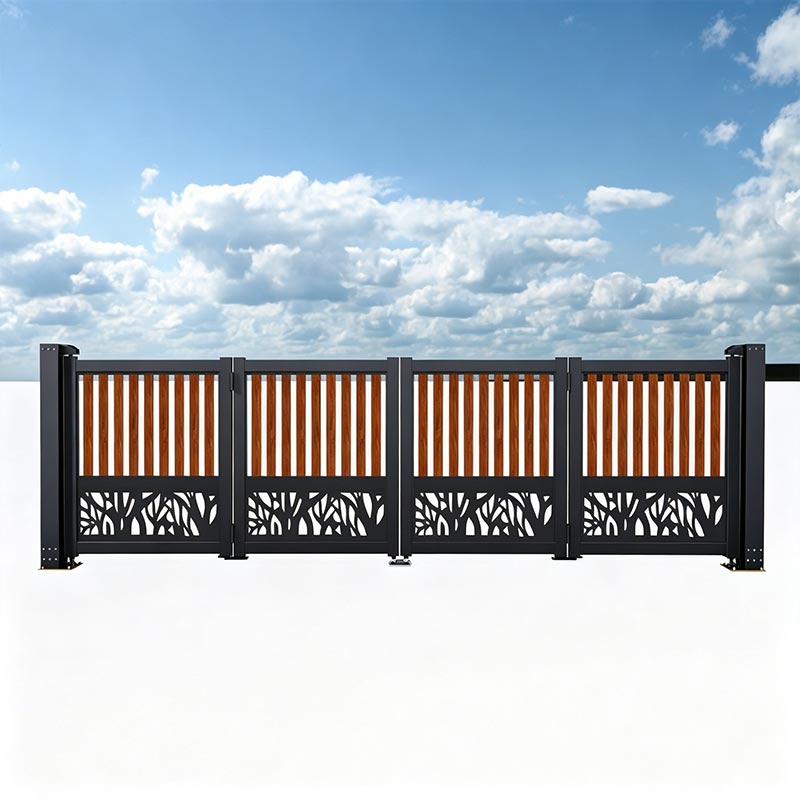
Bi-Folding Gate

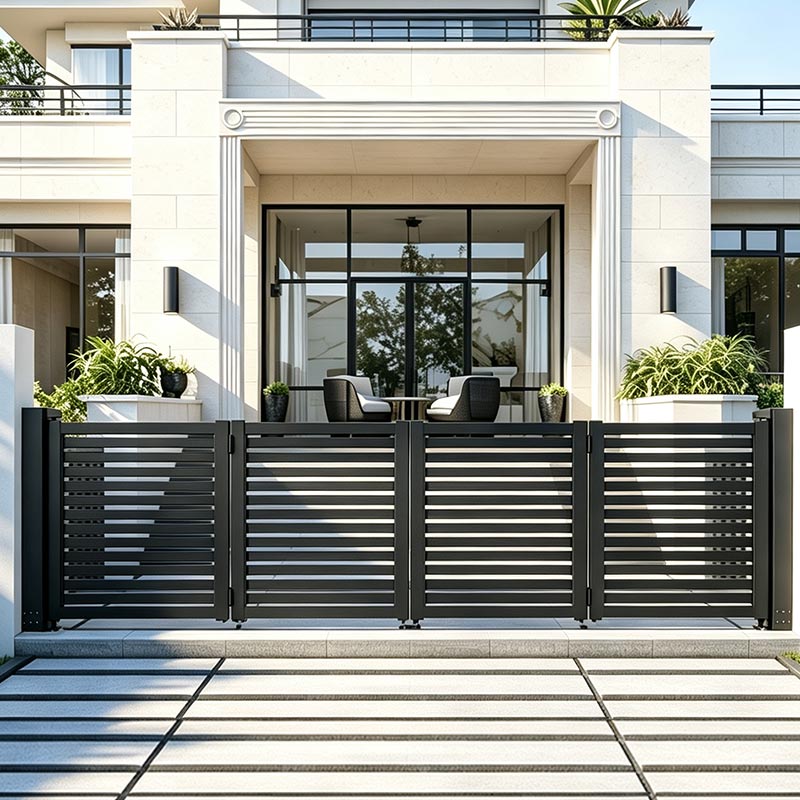
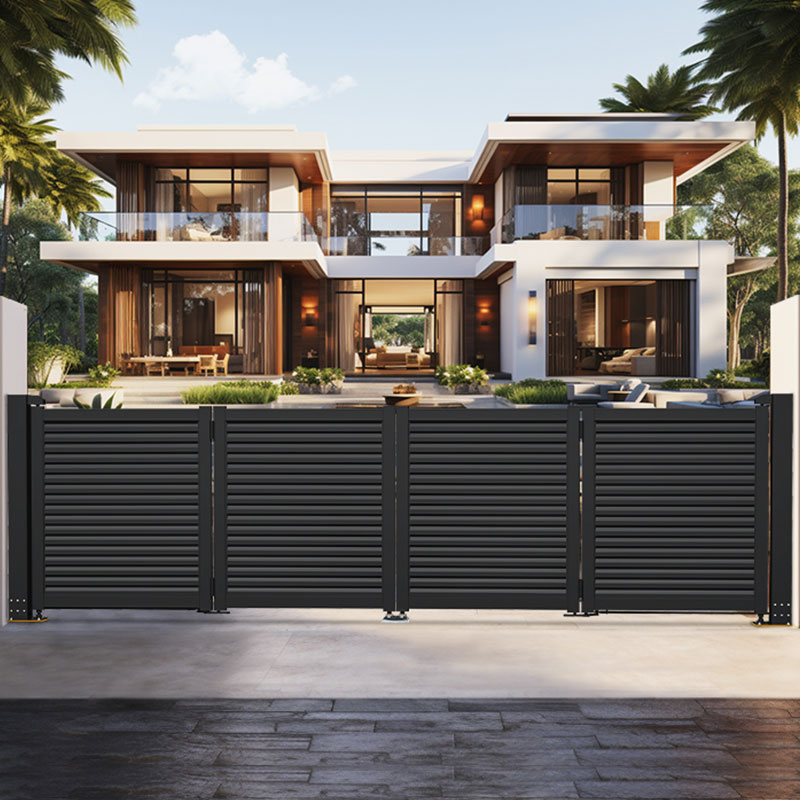
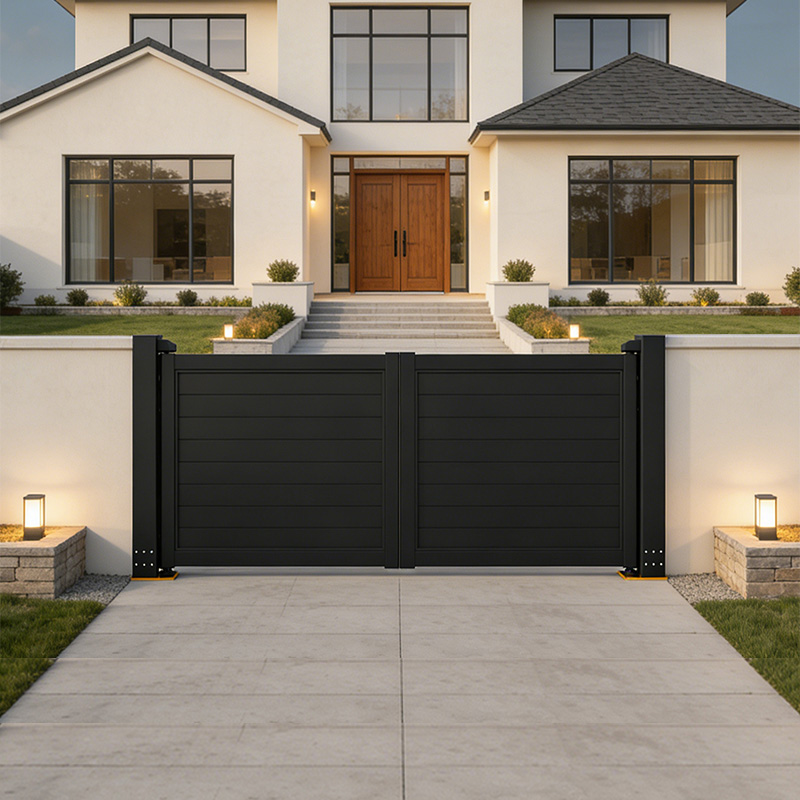
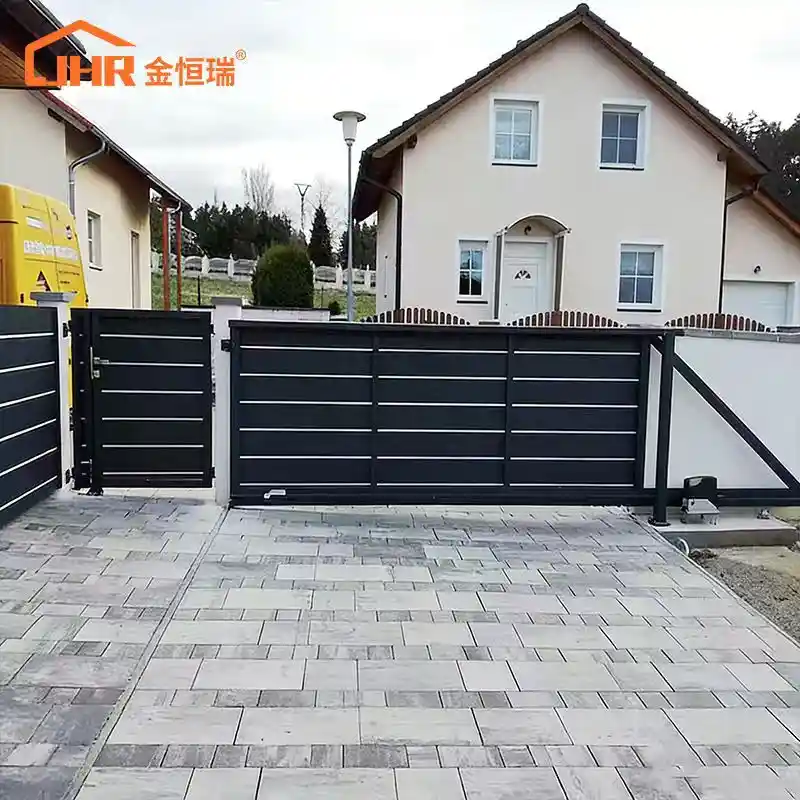
There's a specific site condition that the Bi-folding gate was built for: the driveway where a sliding gate won't fit because the side wall is too short, and a swing gate won't work because the opening faces directly onto a road or shared lane. You've got the opening width you need, but nowhere for the gate to go when it's open — not back along the wall, not out into traffic.
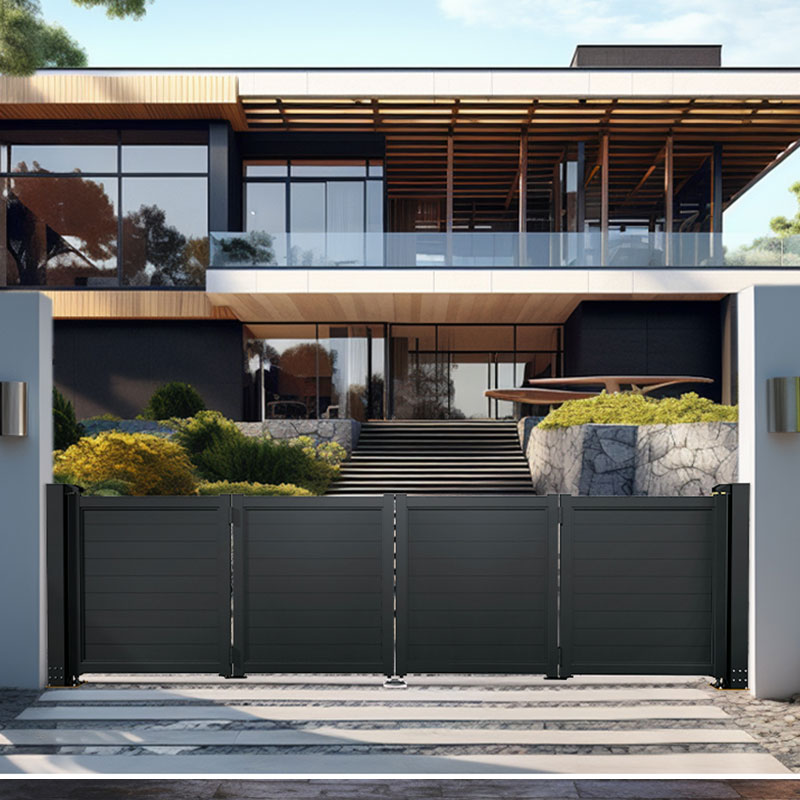
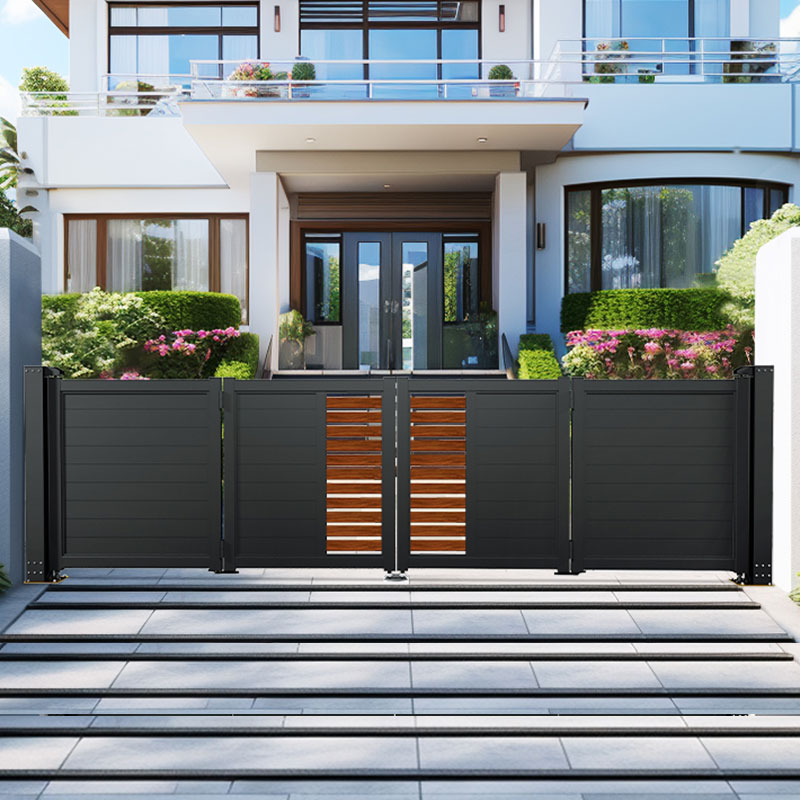
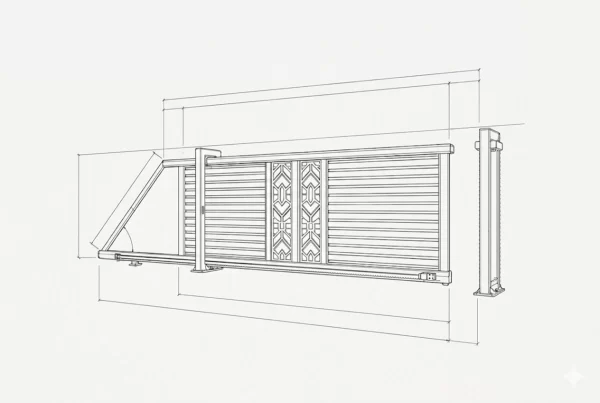
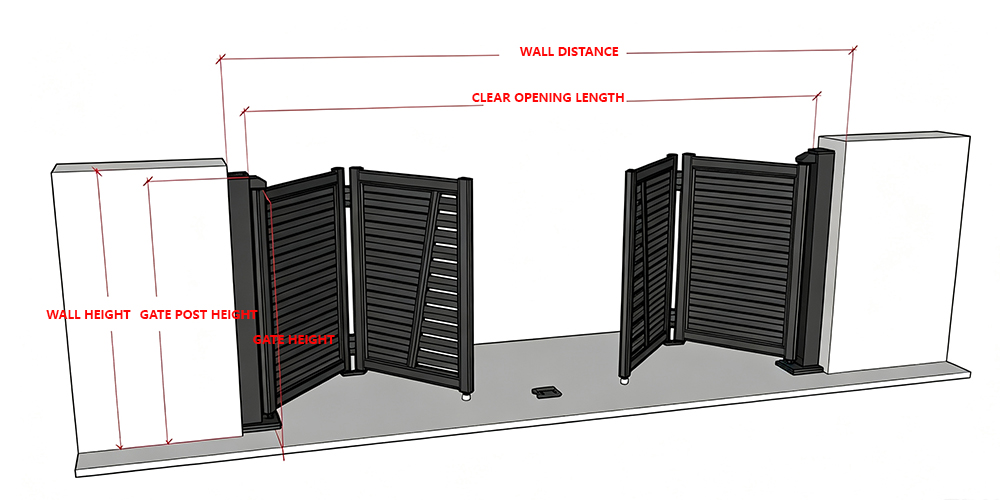
The Bi-folding gate folds inward on hinged joints. The panels collapse toward each other and stack in a bundle that takes up roughly a quarter of the opening width. A 4-meter gate opens into about 1 meter of stacked panel on each side. The driveway stays clear, there's no swing zone to worry about, and the structural requirement is two posts and a shallow guide channel — no long track to excavate, no overhead beam.
JHR makes this gate in 6063-T5 aluminum alloy, extruded profiles throughout. Same grade used in architectural curtain wall and window systems — dimensionally stable, rust-proof, and light enough that the whole panel can be shipped flat in standard export cartons. On international projects, that packing format cuts freight cost noticeably versus welded steel frames, which need custom crating and still arrive with transit damage more often than you'd want.
Widths from 2.4 m to 10.0 m. Full RAL color range. Compatible with dedicated Bi-folding gate drive systems and standard access control hardware.

Folds into roughly 25–30% of the opening width


That’s the practical retraction footprint. On a 5-meter opening, the stacked panels occupy about 1.2 to 1.5 meters on the post side. Enough clearance for a standard vehicle lane without anything folding back into the road.


Ships flat, arrives straight


Aluminum extruded panels lay flat and stack efficiently in standard cartons. No custom crating, no distortion from welded frame geometry shifting in transit. For project volumes or international shipments, that matters.


2.4 m to 10.0 m opening range


Standard production covers the majority of residential and light commercial sites. Custom widths outside that range are available; the engineering team works from your specific opening dimensions.


Hinge and guide track rated for long-term cycling


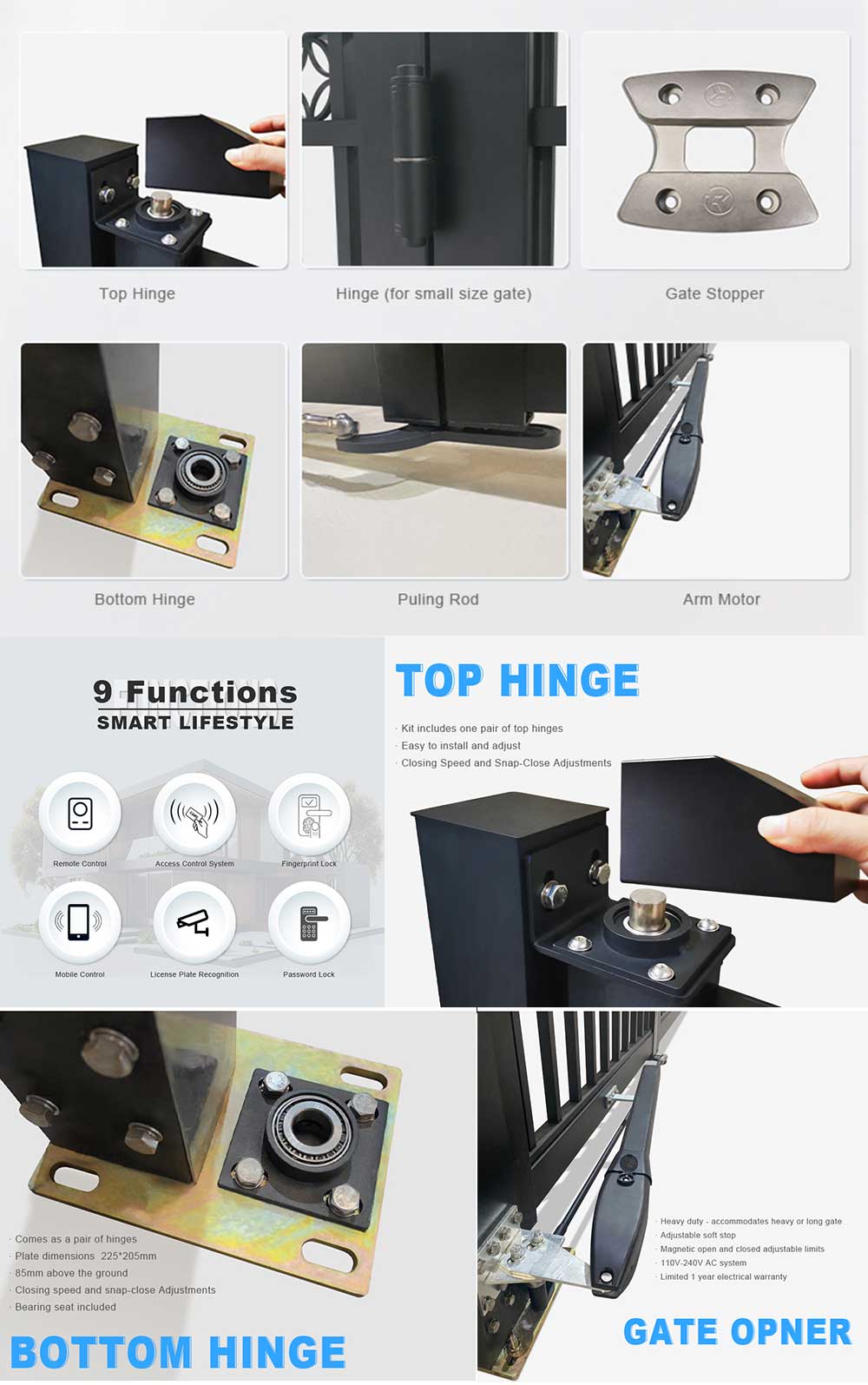
Heavy-duty stainless steel pivot hinges, rated for 100,000+ open-close cycles. Bottom guide channel keeps the lower edge of the panel on its path — the gate doesn’t sway laterally under wind load or drift out of alignment after a few months of use.


Installs in a day


Two posts, a guide channel, and the motor mount. Experienced teams typically complete a residential bi-folding gate in a single working day. No ground track excavation, no overhead structure, no counterbalance foundation.


Motor and access control compatible


Works with dedicated bi-folding gate operators at 24V DC or 220V AC. Keypad, remote, intercom, and mobile app integration are all standard access options. Smart system connectivity is available.


Why the Hinge Points Matter — and Why Aluminum Handles Them Better


A folding gate puts more load on its hinge joints than a sliding gate puts on its rollers. Every cycle, the knuckle takes the full weight of the panel swinging through its arc. In steel, the fatigue damage shows up first at the weld lines around each hinge — small cracks that the surface rust then accelerates. In coastal or high-humidity climates, you can see the staining at the hinge points within two or three seasons.

The reason that happens faster in steel than most buyers expect is the weld-to-base-metal boundary. The weld has a slightly different microstructure and often a thinner or inconsistent coating coverage from the fabrication process. Moisture gets into that boundary, the galvanic difference between the weld metal and the base metal speeds up oxidation, and the hinge point degrades from the inside out while the face of the gate still looks fine.

Aluminum doesn’t have that failure mode. The 6063-T5 extrusion profiles have consistent material properties throughout — there’s no weld-zone boundary to corrode at. JHR’s pivot hardware runs stainless steel pins in aluminum sleeves; that combination resists galvanic corrosion and doesn’t need lubrication on any schedule that a property owner is realistically going to follow. The hinges stay smooth. The gate keeps folding the same way it did on installation day.

Weight is the other factor. A bi-folding gate that’s 40% lighter than the equivalent steel structure puts less bending load on the hinge bolts on every cycle. Less load per cycle, across 100,000 cycles, adds up to a meaningful difference in how long the hardware stays within tolerance.


Style Options


The folding mechanism is the same across the range. What the gate looks like depends on the infill panel, and that’s almost entirely a function of the site context.

Horizontal slats are the dominant choice for modern residential and commercial facades. The slat configuration sits quietly against flat or geometric architecture, and the spacing is adjustable — tighter for more privacy, open for a lighter visual weight. This is the configuration shown in most of the product images because it’s the most common specification.

Vertical pickets read differently: more traditional, more overtly gate-like in character. If the surrounding fence line is vertical or the property style leans traditional, pickets usually integrate better than slats.

Full privacy board is a different conversation. There are no gaps, the sightline is completely closed, and the choice is usually made by the site condition rather than aesthetics — road-fronting properties, commercial perimeters, or any location where the owner simply doesn’t want to manage the partial visibility that slats or pickets allow.

Decorative laser-cut panels are for entrances where the gate is meant to be a visual statement. The patterns — geometric, botanical, or custom — are cut by CNC and don’t add significant weight. On the right property, a laser-cut panel does more design work than any amount of post-mounted decoration.

All infill types are available in any RAL color, powder-coated to AkzoNobel specification. If there’s an existing color on site — fence, cladding, window frames — that’s the reference; custom RAL matching is standard practice.
 

bi folding gate
bi folding gate

Bi folding gate Details

Bi folding gate Details

Product Specifications


Technical Item Specifications & Details
Gate Structure Bi-folding (2-leaf per side), top-hung with bottom guide channel
Material 6063-T5 Aluminum Alloy extruded profiles
Surface Finish Powder coating — standard or custom RAL colors (PVDF, AkzoNobel, Dulux etc.)
Gate Width 2.4 m to 10.0 m total opening (customizable)
Gate Height 0.9 m to 2.4 m (customizable to project requirement)
Hinge System Heavy-duty stainless steel pivot hinges, rated for 100,000+ cycles
Guide System Bottom guide channel with nylon roller — no full-length ground track required
Automation Compatible with dedicated bi-folding gate motors (24V DC or 220V AC); smart system, mobile control, card reader, password access available
Safety Features Infrared photocell sensors, auto-reverse on obstacle, manual release key
Panel Infill Options Horizontal slats, vertical pickets, full privacy board, laser-cut decorative panel
Shipping Format Flat-pack export cartons — compatible with standard container loading
Application Residential driveways, villa entrances, garden courtyards, commercial perimeter fencing
Customization Width, height, infill style, RAL color, hinge count, automation package, matching pedestrian gate


Installation and Logistics


The bi-folding gate has the shortest site preparation requirement of any gate type JHR makes. Two posts anchor the structure on each side of the opening. A shallow guide channel — surface-mounted or set flush into the threshold — keeps the bottom of the gate panels tracked during folding. The motor mounts to one of the posts. That’s the structural scope of the installation; there’s no excavation for a long ground track and no overhead beam to level and anchor.

Installation time on a standard residential opening runs to one working day for an experienced team. The hardware kit ships with the gate: hinges, guide channel, stop buffers, and fasteners. PDF installation drawings are included, and the JHR engineering team handles contractor questions remotely during the installation process.

On the logistics side: because the aluminum panels ship flat in standard export cartons, a bi-folding gate for a 4-meter opening fits on a standard pallet. That’s a meaningful difference from tubular steel gates of the same width, which typically need custom crating and generate higher freight charges because of how they pack. For project volumes or long-haul international shipments, the difference in freight cost per unit is worth factoring into the material cost comparison.

Opening width, required height, infill style, and site location are enough to start a quote. Response time is one working day. Contact options are on the product page.

PRODUCTS

PRODUCTS

View More
Slat Fence

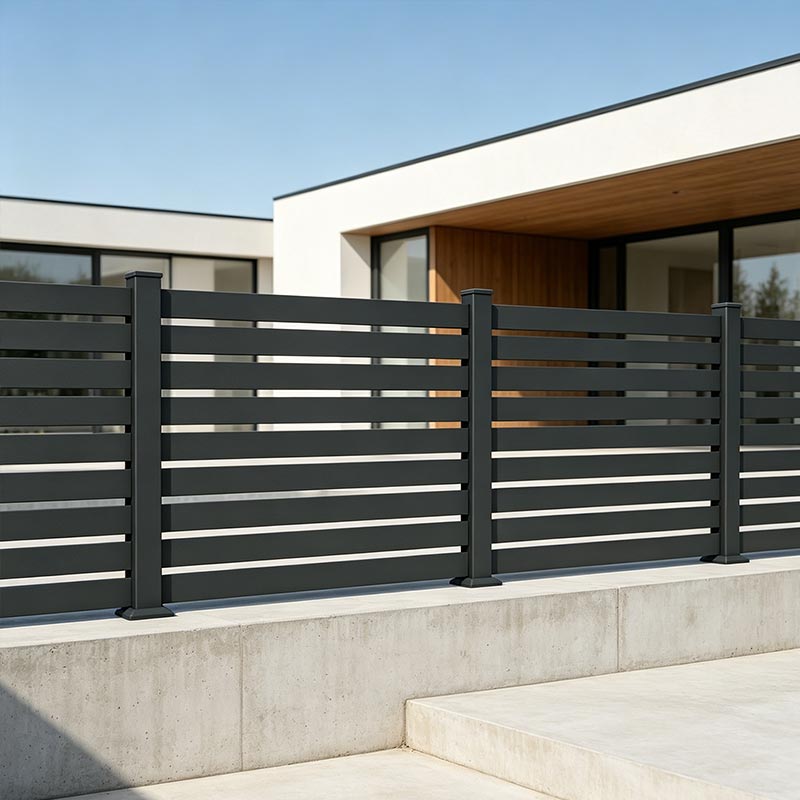
Horizontal Slat Fence for Residential Properties

Most fence decisions don't start with material — they start with the problem the previous fence caused. The timber one warped along the bottom rail after two wet seasons and needed repainting before it had been up five years. The steel one looked fine until the cut edges at the post holes started bleeding rust onto the concrete. The concrete block wall is solid, but every landscaper who looks at it mentions that it's a lot of visual weight for a residential boundary. The JHR Aluminum Fence is made from 6063-T5 aluminum alloy profiles, powder-coated in any RAL color over a chromate conversion primer. It doesn't rust. It doesn't warp. It doesn't need painting, staining, or any surface treatment after installation. In climates that are hard on outdoor materials — coastal, high-UV, high-humidity — the performance gap between aluminum and the alternatives becomes visible within a few years. On a fifteen-year ownership horizon, the maintenance cost difference is not subtle. Panels are available in horizontal slat, vertical picket, and full privacy board styles. Height, slat spacing, and post spacing are all specified at order. Assembly is clip-and-bolt to standard aluminum posts — no welding, no specialist tools, no concrete formwork beyond the post footings.
Learn More
Outdoor Aluminum Alloy Fence

Outdoor Aluminum Alloy Fence

Most fence decisions don't start with material — they start with the problem the previous fence caused. The timber one warped along the bottom rail after two wet seasons and needed repainting before it had been up five years. The steel one looked fine until the cut edges at the post holes started bleeding rust onto the concrete. The concrete block wall is solid, but every landscaper who looks at it mentions that it's a lot of visual weight for a residential boundary. The JHR Aluminum Fence is made from 6063-T5 aluminum alloy profiles, powder-coated in any RAL color over a chromate conversion primer. It doesn't rust. It doesn't warp. It doesn't need painting, staining, or any surface treatment after installation. In climates that are hard on outdoor materials — coastal, high-UV, high-humidity — the performance gap between aluminum and the alternatives becomes visible within a few years. On a fifteen-year ownership horizon, the maintenance cost difference is not subtle. Panels are available in horizontal slat, vertical picket, and full privacy board styles. Height, slat spacing, and post spacing are all specified at order. Assembly is clip-and-bolt to standard aluminum posts — no welding, no specialist tools, no concrete formwork beyond the post footings.
Learn More
Aluminum Vertical Blade Fence

Aluminum Vertical Blade Fence

Most fence decisions don't start with material — they start with the problem the previous fence caused. The timber one warped along the bottom rail after two wet seasons and needed repainting before it had been up five years. The steel one looked fine until the cut edges at the post holes started bleeding rust onto the concrete. The concrete block wall is solid, but every landscaper who looks at it mentions that it's a lot of visual weight for a residential boundary. The JHR Aluminum Fence is made from 6063-T5 aluminum alloy profiles, powder-coated in any RAL color over a chromate conversion primer. It doesn't rust. It doesn't warp. It doesn't need painting, staining, or any surface treatment after installation. In climates that are hard on outdoor materials — coastal, high-UV, high-humidity — the performance gap between aluminum and the alternatives becomes visible within a few years. On a fifteen-year ownership horizon, the maintenance cost difference is not subtle. Panels are available in horizontal slat, vertical picket, and full privacy board styles. Height, slat spacing, and post spacing are all specified at order. Assembly is clip-and-bolt to standard aluminum posts — no welding, no specialist tools, no concrete formwork beyond the post footings.
Learn More
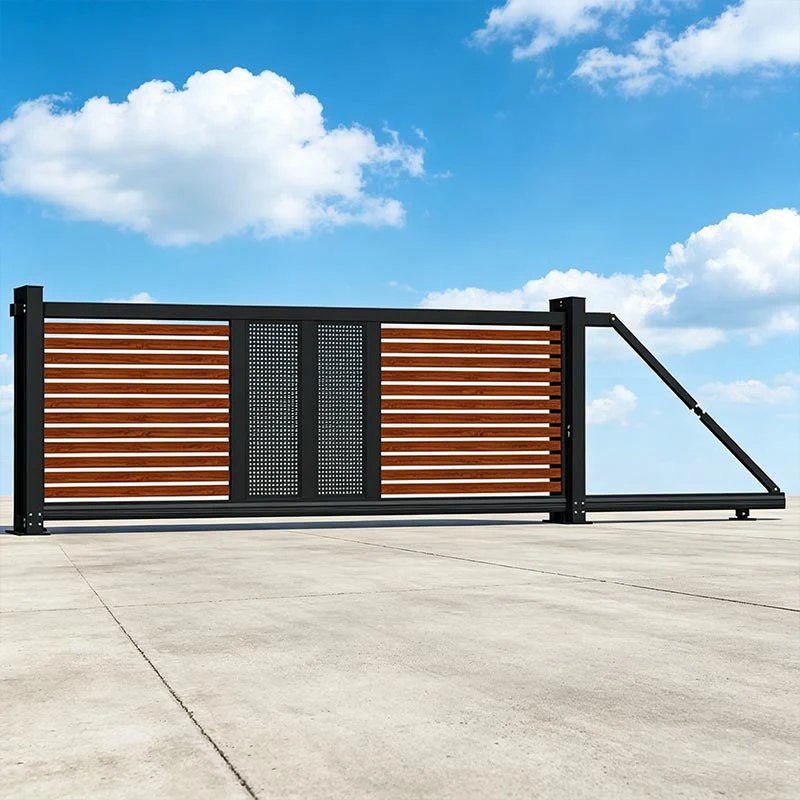
Aluminum Cantilever Driveway Gate2

Aluminum Cantilever Driveway Gate

There's a reason more installers and property owners are moving away from tracked gates — and it's not just about the look. Ground rails collect debris, freeze over in cold climates, and eventually warp the alignment of the gate itself. The JHR Aluminum Cantilever Sliding Gate was built around a different idea: remove the track entirely, and most of the long-term problems disappear with it. The frame is structural-grade aluminum alloy throughout — not a steel core with an aluminum skin, but solid alloy from post to panel. Powder-coated finish goes on over that, and it doesn't peel, blister, or need refreshing the way painted steel does. In coastal areas or high-humidity environments, that distinction matters more than most spec sheets let on. It opens and closes on a cantilever mechanism: a set of roller carriages mounted to fixed posts carry the gate's weight entirely above ground. No ground contact means no seasonal heaving, no accumulated grit jamming the movement, and no trip hazard across the driveway. The gate itself moves quietly enough that most people don't register it until it's already open. Available in manual push or motorized configurations. Custom-built to your opening dimensions. Fifteen years from installation, it should still operate the same way it did on day one.
Learn More
News

News

View More

23/ May

Team Building Adventure: Where Culinary Flair Meets Unshakable Unity

Last weekend’s outdoor team-building retreat wasn’t just a day of fun—it was a vibrant tapestry of collaboration, laughter, and shared triumphs that wove our team closer together. Against a sunlit canvas of rolling hills and crisp autumn air, colleagues from every corner of the company rediscovered the power of unity through fire-lit grills, spirited competitions, and heartwarming moments of connection. Culinary Collaboration: A Symphony of Teamwork The “Wild Chef Challenge” became the ultimate test of synergy. Teams of five, deliberately mixed across departments, faced a thrilling mission: transform raw ingredients into a three-course feast in just 90 minutes. What unfolded was a masterclass in coordination. Engineers chopped vegetables with laser precision, marketers orchestrated flavor profiles like seasoned maestros, and even our quietest analysts emerged as grill commanders, rallying their squads with shouts of “Flip those steaks—NOW!” The kitchen zones buzzed with urgency and laughter. When one team’s sauce threatened to burn, a rival group swooped in with a spare spatula and a tip—proof that camaraderie trumped competition. By the end, judges marveled not just at the dishes—a fusion of spicy Sichuan noodles, smoky jerk chicken, and mango-sticky rice—but at how strangers-turned-teammates had harmonized strengths to create something extraordinary.     Beyond the Grill: Bonding Through Shared Challenges The day’s activities were carefully designed to dissolve hierarchies and spark authentic connections: (1)Archery Tag: Trust in Action In the archery arena, teams strategized in huddles, assigning roles based on individual instincts. A shy intern’s sharp aim became the secret weapon, while a usually reserved manager transformed into a charismatic “shield bearer,” defending teammates with infectious enthusiasm. Cheers erupted each time a target fell—not for the score, but for the collective effort. (2)Mahjong Tables: Breaking Barriers Beneath maple trees, seasoned executives taught newcomers the art of mahjong, their laughter dissolving titles. “Director” and “assistant” faded into “mentor” and “student,” as tiles clattered and inside jokes blossomed. Karaoke Courage: Celebrating Vulnerability The makeshift stage saw magic moments: A tech lead’s off-key rendition of “Sweet Child O’ Mine” became an anthem, with the entire team clapping along. Later, a junior designer’s soulful ballad silenced the crowd, revealing a talent—and a story—no spreadsheet could capture. The Relay That Revealed Our Rhythm The “Ingredient Prep Relay” became an unexpected metaphor for workplace synergy. Teams raced to chop onions, skewer meats, and season broths in a chain—each person’s task vital to the next. When a gust of wind blew one team’s paprika into chaos, they adapted instantly, improvising with chili flakes and humor. The lesson was clear: Success wasn’t about perfection, but about trusting each other to pivot and push forward. Moments That Melted Distances Between activities, organic connections flourished. A finance specialist bonded with a warehouse coordinator over shared tips for perfect grill marks. Two interns from rival departments discovered a mutual love for K-pop, choreographing a silly dance that soon had everyone joining in. Even the CEO rolled up sleeves to help wash dishes, sparking candid conversations about weekend hobbies and childhood campfire memories.     Sunset Reflections: Stronger Together As dusk painted the sky in amber, the team gathered around a crackling bonfire, plates piled with leftovers from the day’s feast. A spontaneous “appreciation circle” began, with colleagues highlighting unexpected strengths they’d witnessed: “I never knew Sarah could debone a fish like a pro!” “Jake’s pep talks kept us laughing through every mishap!” The day’s true victory wasn’t the trophy for best dish or the highest archery score—it was the invisible threads of trust and understanding now woven through the team. Departments that once communicated via email now traded recipe ideas. Quiet contributors found their voices celebrated. Leaders saw glimmers of potential in unexpected places. Carrying the Spark Forward As buses rolled back to the city, the energy lingered. Slack channels buzzed with shared photos and recipe links. A cross-departmental hiking group was born. Even Monday’s meetings felt lighter, with inside jokes from the relay race easing tough discussions. This retreat reminded us that teamwork isn’t just about dividing tasks—it’s about multiplying joy, courage, and belief in one another. When we invest in moments to laugh, struggle, and triumph together, we don’t just build better teams—we build a family. Here’s to many more chapters of growth, grilled to perfection with the secret sauce of unity.  
Learn More
Team Building Adventure

21/ May

What Safety Precautions Should Be Taken When Installing and Using Different Gates and AluminumFences?

FOSHAN JHR SMART TECH CO., LTD. Highlights Essential Safety Protocols for Home and Business Security Solutions.
Learn More
What Safety Precautions Should Be TakenWhen Installing and Using Different Gates andAluminumFences

11/ May

How to Evaluate Aluminum Gate Quality: 6 Key Specs Buyers Must Check

Choosing an aluminum gate for residential, commercial, or industrial projects is a significant decision that impacts security, durability, aesthetics, and long-term operational costs. Aluminum gates have surged in popularity due to their inherent corrosion resistance, lightweight yet strong structure, and sleek, modern appearance. However, experienced buyers and specifiers understand that genuine quality extends far beyond a gate’s initial curb appeal. True value is measured in years of reliable, maintenance-free service under diverse environmental conditions. At JHR SMART TECH, through close collaboration with global clients, distributors, and project contractors, we have gained profound insights into the lifecycle of aluminum gate systems. Our practical manufacturing and on-site project experience reveal that many critical quality shortcomings—often related to material integrity, structural design, or component compatibility—only manifest after installation and prolonged use. These late-emerging issues can lead to costly repairs, safety concerns, and operational downtime. Therefore, evaluating an aluminum gate based on clear, technical specifications, rather than price or appearance alone, is a fundamental step in mitigating risk and ensuring optimal, stable performance for years to come. In today’s global market, aluminum entrance gates, sliding gates, swing gates, and automated gate systems are ubiquitous across villas, residential complexes, commercial plazas, industrial parks, and public infrastructure. While many products may seem visually comparable at a glance, subtle yet decisive differences in material composition, engineering design, and manufacturing precision dramatically influence their lifespan, functionality, and total cost of ownership. For professional buyers, contractors, and project managers, making an informed choice requires a discerning eye for detail. The following six key specifications provide a comprehensive framework for thoroughly evaluating aluminum gate quality.     KEY 1 Aluminum Alloy Grade: The Foundational Element of Performance The aluminum alloy grade is the foundational element that defines the overall performance, durability, and safety of an aluminum gate system. While aluminum is generally valued for corrosion resistance and lightweight properties, different alloy grades can perform very differently under long-term structural load and outdoor exposure. For professional buyers, understanding alloy selection is the first step in evaluating true product quality. Lower-grade aluminum alloys may reduce initial material costs, but they often contain higher impurity levels or inconsistent compositions. Over time, this can result in bending, cracking, or loss of structural integrity, leading to higher maintenance costs and potential safety risks. From JHR’s manufacturing experience, verifying aluminum alloy grade at the early stage is one of the most effective ways to control quality, protect project value, and avoid costly after-sales issues. KEY 2 Profile Wall Thickness: The Cornerstone of Structural Stability While high-grade alloy provides the inherent potential for strength, it is the profile wall thickness that actualizes this potential into tangible rigidity and stability. Even the best alloy cannot compensate for insufficient material thickness. Wall thickness directly governs a gate’s ability to resist deflection, support its own weight and any additional loads (like decorative elements or climbing plants), and withstand environmental forces such as wind pressure and accidental impacts. At JHR, profile thickness is never a one-size-fits-all specification. It is a carefully engineered parameter calculated based on a holistic analysis of the gate’s dimensions (width and height), its opening mechanism (swing vs. slide), expected frequency of use, and local environmental conditions. For standard residential aluminum swing or sliding gates, we typically recommend profiles with a minimum wall thickness of 1.8mm to 2.5mm. This range ensures a robust feel, minimizes operational vibration, and prevents the “oil-canning” effect (a visible rippling or flexing of flat surfaces). For commercial and industrial applications—encompassing large-scale entrance gates, wide-span cantilever sliding gates, or gates in high-security or high-traffic areas—the demands escalate significantly. Here, JHR specifies and utilizes profiles with thicknesses of 3.0mm, 4.0mm, or even greater. This enhanced material mass is crucial for maintaining perfect alignment over long unsupported spans, ensuring smooth operation of heavy leaves, and providing the necessary mass to dampen vibration from motors or external forces. Investing in the correct wall thickness upfront is a direct investment in the gate’s longevity, reducing wear on hardware and preventing costly sagging or misalignment issues.     KEY 3 Surface Treatment: The Shield Against the Elements An aluminum gate is a long-term outdoor installation, constantly battling a relentless assault from UV radiation, rain, humidity, temperature cycles, pollution, and, in coastal areas, salt spray. The surface treatment is its protective armor and permanent aesthetic skin. A superior finish not only defines the gate’s visual appeal but is the primary barrier against corrosion and degradation. JHR SMART TECH offers and expertly applies several advanced surface treatment options, each suited to specific project requirements and aesthetic visions: Powder Coating: This is the most popular and versatile choice. We use thermosetting powders that are electrostatically applied and then heat-cured to form a thick, uniform, and exceptionally durable film. A high-quality powder coat offers outstanding color consistency, excellent resistance to chipping, fading, and chemicals, and is available in a vast spectrum of colors and textures (e.g., matte, gloss, metallic, wrinkled). Beyond the type of finish, the application process and quality control are paramount. At JHR, we enforce strict protocols for pre-treatment (cleaning and etching), coating thickness (measured in mils or microns), and adhesion testing. A consistently applied, adequately thick coating is what prevents the underlying aluminum from developing white corrosion (oxidation) or suffering from premature finish failure like peeling or blistering. KEY 4 Structural Design & Welding Integrity: The Engineering Behind the Scenes A durable aluminum gate is a cohesive system where intelligent structural design and impeccable welding integrity transform individual profiles into a unified, load-bearing structure. Good design anticipates stress points, incorporates internal reinforcements (like steel or aluminum stiffeners within hollow profiles), and ensures an efficient transfer of loads throughout the frame. JHR gates are engineered with these principles at their core. For wide sliding or swing gates, we incorporate strategic internal reinforcement systems and design frames that distribute weight evenly to hinges, rollers, or posts. This engineering foresight prevents the common issue of gate leaf sagging over time, which can lead to dragging, misalignment, and motor strain in automated systems. Welding quality is perhaps the most visible testament to manufacturing craftsmanship. Poor welding—characterized by inconsistent beads, undercutting, porosity, or insufficient penetration—creates critical weak points. At JHR, skilled technicians perform welding using appropriate techniques (often TIG welding for its precision and clean results). The goal is to achieve full-penetration welds that are as strong as the parent material, followed by careful grinding and finishing to ensure smooth, aesthetically pleasing seams. High-standard welding guarantees the structural connections are sound, maintaining the gate’s geometry and rigidity for its entire service life.     KEY 5 Hardware & System Compatibility: The Components of Smooth Operation The hardware is the “joints and muscles” of the gate system. Neglecting hardware quality is a classic mistake that can undo all the benefits of excellent aluminum and finish. Hinges, pivot sets, roller carriages, guide wheels, latches, and fasteners must be precisely matched to the gate’s size, weight, frequency of use, and operating environment. JHR equips its aluminum gates with high-grade, corrosion-resistant hardware.For heavy-duty industrial gates, we may specify even more robust forged or machined components. The correct hardware ensures effortless movement, minimizes operational noise, and drastically reduces wear on both the hardware itself and the aluminum profiles it contacts. For automated aluminum gate systems, compatibility and integration become exponentially more critical. The gate structure must be designed from the outset to seamlessly interface with the chosen automation system—whether it’s a slide gate operator, swing gate opener, or a cantilever drive. JHR provides complete, pre-engineered systems. We design the gate with integrated mounting points for operators, consider the necessary clearances and tolerances, and ensure the structure can handle the dynamic forces imposed by automatic operation. This holistic approach eliminates guesswork during installation, prevents conflicts between the gate and the automation equipment, and is the key to achieving reliable, low-maintenance automated access control. KEY 6 Manufacturing Capability & After-Sales Support: The Assurance Behind the Product The final, and often overlooked, specification is the manufacturer’s comprehensive capability. A true quality partner operates a vertically integrated or tightly controlled factory with standardized processes, modern equipment, and a rigorous Quality Management System (QMS). This capability translates your design intent and material choices into a consistently perfect finished product. JHR SMART TECH‘s manufacturing philosophy is built on process control. Our QMS oversees every stage: from verifying incoming alloy mill certificates, to monitoring extrusion tolerances, precision cutting and machining, controlled surface treatment application, and meticulous final assembly and inspection. Each gate is built according to approved technical drawings, ensuring that custom one-off projects and large batch orders receive the same level of attention to detail. Equally important is robust after-sales support. Quality is also defined by the service that accompanies the product. JHR supports our clients with comprehensive technical documentation, including detailed assembly drawings and installation manuals. We offer pre-sales engineering consultation to help optimize designs for specific sites. Furthermore, we stand behind our products with clear warranty policies and provide accessible technical support to assist with installation queries or post-installation service. This end-to-end partnership minimizes project risk, ensures a smooth installation process, and protects your investment for the long haul.     Why JHR SMART TECH is Your Partner for Premium Aluminum Gate Solutions As a specialist manufacturer with a global footprint, JHR SMART TECH is dedicated to engineering and producing superior aluminum gates, fencing systems, and fully integrated automated access solutions. Our product portfolio is designed to meet the exacting demands of diverse applications: Residential: Elegant and secure driveway gates, garden gates, and pedestrian access points. Commercial & Institutional: Durable and impressive entrance systems for corporate headquarters, hotels, schools, and hospitals. Industrial & High-Security: Robust, large-scale sliding and cantilever gates for factories, logistics centers, utilities, and secure compounds. We deliver solutions that masterfully balance architectural aesthetics, engineered strength, and long-term, cost-effective performance. By partnering with JHR, you gain more than a supplier; you gain a technical ally committed to ensuring your project’s success from concept through decades of reliable service. Selecting an aluminum gate demands a strategic, specification-driven approach. Moving beyond simple visual appraisal or initial cost comparison to a disciplined evaluation of these six key areas—Alloy Grade, Profile Thickness, Surface Treatment, Structural Design, Hardware Compatibility, and Manufacturer Capability—empowers buyers to make truly informed decisions. This diligence is your most effective shield against latent defects and operational headaches. For any project scale, a well-conceived and expertly manufactured aluminum gate is not merely an entry point; it is a long-term investment in property security, functionality, and curb appeal. With our unwavering commitment to premium materials, advanced engineering, stringent manufacturing controls, and unparalleled client support, JHR SMART TECH is poised to deliver aluminum gate solutions that provide enduring value, performance, and satisfaction throughout the entire lifecycle of your project.
Learn More
How to Evaluate Aluminum Gate Quality 6 KeySpecs Buyers Must Check
Gemini Generated Image

Customized OEM/ODM Manufacturing

We provide fully customized gate design solutions based on your technical drawings and brand requirements. We make your unique product vision a reality.
service

Global Logistics

Strategic partnerships with major shipping company (ONE, OOCL, Maersk) ensure fast, cost-effective delivery.
Technical Support &Installation Guidance

24/7 Technical Support &Installation Guidance

Our engineering team offers lifetime remote troubleshooting and online repair services.
LOGO

CONTACT US

Do you want a warm and cozy courtyard with an automatic gate and matchingfence? This will not only protect your privacy but also provide convenience andsecurity for your life. If you have any needs regarding gates and fences, please contact us promptly.We will be happy to assist you.

    Your Name*

    Email*

    Tel*

    WhatsApp*

    Message*

    Products
    Contacts
     
    WhatsApp
    Email