Nullam dignissim, ante scelerisque the is euismod fermentum odio sem semper the is erat, a feugiat leo urna eget eros. Duis Aenean a imperdiet risus.
Nullam dignissim, ante scelerisque the is euismod fermentum odio sem semper the is erat, a feugiat leo urna eget eros. Duis Aenean a imperdiet risus.

 author
A wooden pergola is great for folks who love natural wood grain. It brings a classic, cozy charm to your yard. You can also easily cut and change the wood right on the spot. On the flip side, an aluminum pergola is better if you want a neat, modern style. It takes much less hard work to keep it clean over the years. You also get cool roof choices, like motorized louvers. For many busy families and business places, metal is the smarter pick for the long run. Still, wood makes total sense if you really want that rustic feel as part of your yard design.
Your local weather, your wallet, and how much free time you have should help you decide. A house by the beach needs special parts that won’t rust. A cold place brings freezing snow and ice. That means you must think about strong ground bases. If you are fixing up an old yard, things like brick walls and stone paths will shape your plan. Looking at all these small details gives you a much better answer than just picking what looks pretty today.
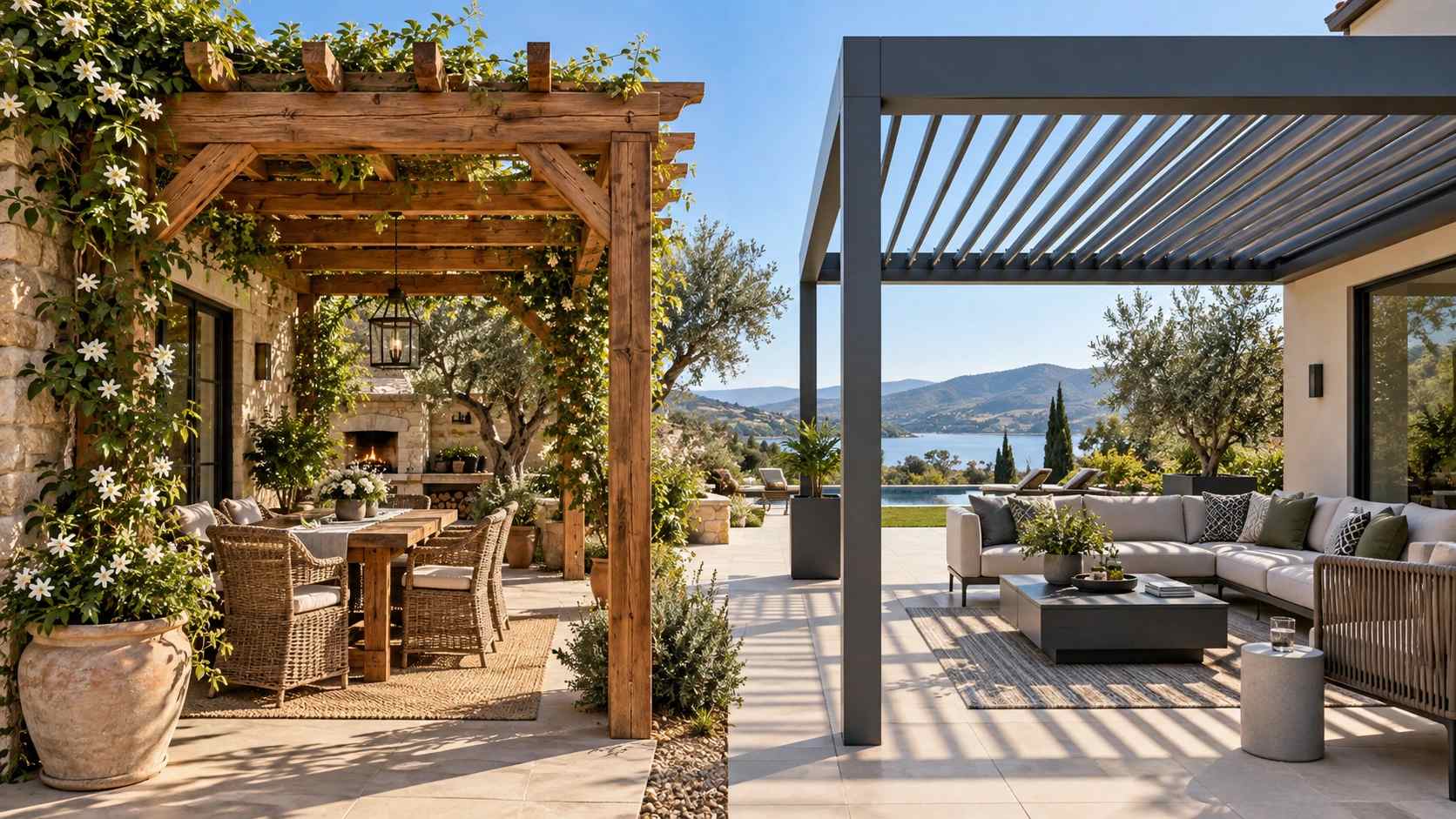
Both materials make a great outdoor space. However, owning them feels very different. Wood changes right before your eyes over the years, and you have to paint or stain it a lot. Aluminum is different. It keeps its shape and color for a long time, as long as it is set up right for your yard.
Wood has lines, knots, and tiny bumps. This gives every single wooden frame its very own special look. It looks right at home next to classic houses, wood decks, and green gardens. Builders can easily cut or drill it in your yard. Later on, you can paint or stain it a new color if you change your mind.
But remember, its look will change. Sun, rain, and sticky summer air will alter how it looks over time. The paint you pick matters a lot, too.
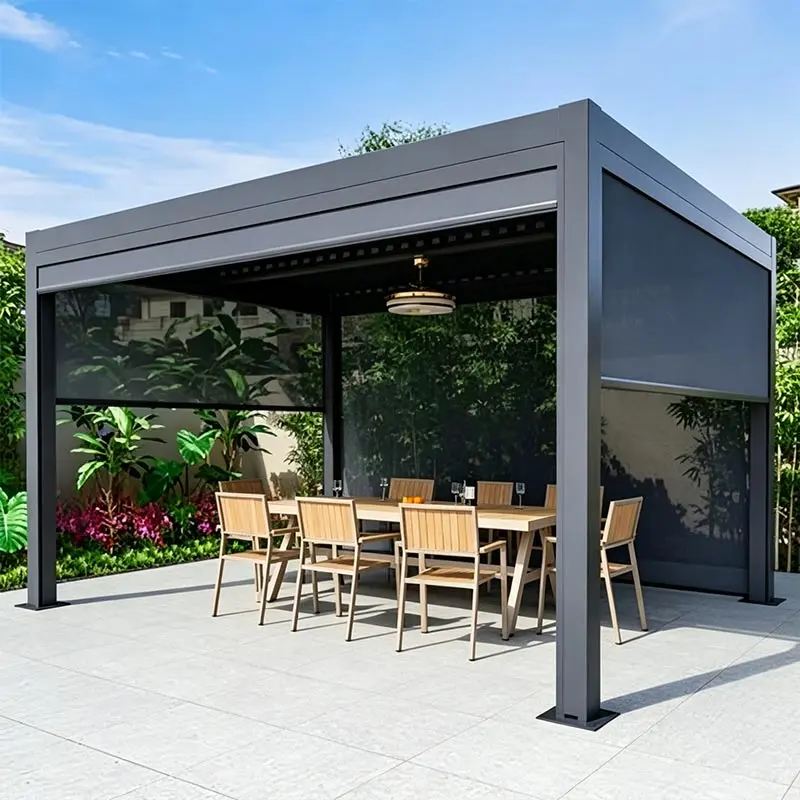
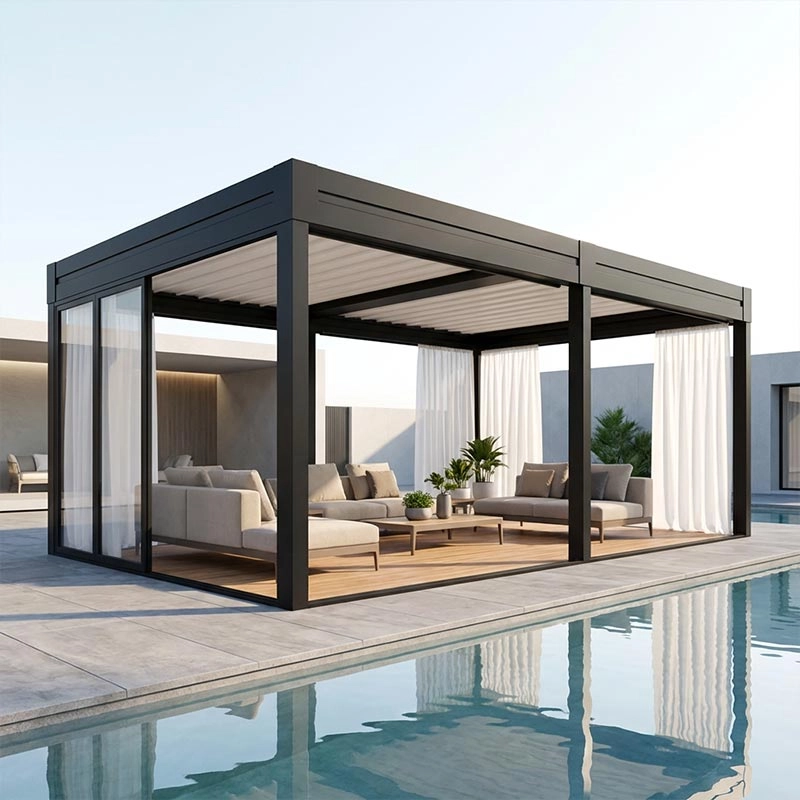
Aluminum gives your space straight lines and a slim, neat style. It also makes a super strong base for roofs that move or stay in place. Best of all, it never rots. Bugs will not try to eat it. A tough powder coat adds nice color and keeps the metal safe. You still have to wash it and check the parts, though.
JHR’s aluminum pergola line has motorized louvered, retractable, and aluminum alloy pergola choices. Their product details show they use tough 6063-T5 aluminum for the aluminum pergola/gazebo items. Of course, you must check the exact sizes, wall thickness, and base plans for your own home project.
Upkeep is often the biggest deal-breaker after the fun design part is over. Think about the chores you will have to do five years from today. Who will do the hard work? Will you be able to easily reach the high roof parts?
Wood outside acts like a sponge. It pulls in water from the air. That moisture makes the wood swell and shrink. This changing size can mess up the joints and the paint. The USDA Forest Service Wood Handbook talks a lot about how wood handles wet weather, sun, and bug damage.
In real life, a wood frame needs a lot of care. You must clean it, sand it, and put on new stain or paint. How often? That depends on the type of wood, the paint, and your local weather. Pay close attention to the bottom posts and the corners. If water gets trapped there, it can ruin the wood fast.
Taking care of aluminum is mostly just washing the frame. You should also clear out dirt from the rain gutters and check the screws. It is smart to look at the moving parts, too. If you live near the ocean, you need to wash it more often to get the sticky salt off. A motorized roof needs a good check-up plan for its electric parts.
Overall, aluminum asks for much less work. You never have to spend your weekend sanding and painting a huge metal frame. This makes a huge difference for big business patios, rental homes, and vacation spots where you cannot always be there to clean.
Picking the material is just step one. How the frame handles bad weather really depends on the design and the setup. Things like water drains, ground bases, strong screws, and the roof shape matter just as much as the frame itself.
Good wood can last for many years. But it only survives if water can drain away fast and if you keep painting it. If wood stays wet all the time, it will rot. Bugs, hot sun, cracks, and loose joints are other big problems to watch out for. Wood is still a fair pick if you don’t mind the chores. Just make sure the type of wood is strong enough for your local weather.
Aluminum never soaks up water. So, the frame will not swell up, rot, or get eaten by bugs. It naturally fights off rust way better than basic steel. However, the metal mix, the paint coat, the screws, and the drains still decide how long it lasts outside.
For a beach house, make sure to ask if the paint and screws can handle heavy sea salt. For a very big frame, ask for real drawings. You need to know if the ground can hold the heavy weight.
The first price tag you see is only a small part of the total bill. You must add in the dirt work, shipping, and setup. Don’t forget the electric work, future cleaning, and spare parts. All of these go into the real price.
A simple frame made from basic store wood is usually cheaper at first. But, buying fancy wood or building in a hard-to-reach yard will drive that price right up.
A custom aluminum pergola might come from a big factory. It includes special paint, safe boxes for shipping, and expert builders. Motorized louvers mean you have to pay for electric parts and remote controls, too. Always ask for a clear, step-by-step price list. This shows you exactly what parts and jobs you are buying.
Wood hits your wallet again and again. You have to buy paint and pay people to fix it. If water rots the bottom posts, you will pay for big repairs.
Aluminum saves you money on paint jobs. But, the motors, remote controls, and rubber seals might break down one day. When you compare costs, make sure you look at setups that have the exact same kind of roof.
Looks are up to you. But your house gives you great hints. Look at your front walls, your windows, your yard path, and your fence before you pick a material.
Wood looks perfect next to brick, stone, and wild garden plants. It is great for growing green vines up the posts. It keeps your yard feeling soft and natural. You can paint it later if you want. But remember, every new color means more hard sanding work.
Aluminum is awesome for modern houses, new pools, and cool cafe patios. You can pick colors that match your home’s doors and windows perfectly. Some metal even looks like real wood! This softens the hard metal look. If you are fixing up an old yard, bring a real metal sample home. Look at it in the bright sun and in the dark shade. Looking at pictures on a phone screen is a bad way to guess the real color.
Weather totally changes the game. Sticky heat, sea salt, heavy rain, harsh sun, and thick snow must guide your choice.
An aluminum pergola is usually the easiest choice near the beach. The metal will never soak up the wet air. Ask the seller about the paint and the screws. Make sure the cut ends are covered. Salt will still build up, so you must wash it.
Wood can work by the sea, too. But the wood type, the chemicals in it, and your paint job must be perfect for beach weather.
Heavy snow, freezing ice, deep ground holes, and frozen drains are serious issues. Moving louvers need a strict winter rule book. Why? Because thick ice can jam the motor. Always ask a local expert to check the weight limits and the building rules for your town.
Always measure your ground carefully. Check your wall health, water paths, and electric plugs before you buy a roof. Wood is super easy to cut and fit into weird spaces on site. Aluminum is made in a factory. It has perfect sizes, matched colors, and very clean joints. You might need to make your old deck much stronger to hold either of these frames.
The roof changes how your yard feels every single day. Do you want nice shade? Do you want to let the sun in? Or do you need a dry spot during a rain storm? Pick the roof style before you pick the frame.
Classic wood frames often use open top boards. Some people grow plants on them or use cloth for shade. They let a little light in but offer almost no help during the rain. You can add a solid roof on top if the wood is strong enough to hold it.
Aluminum frames can easily hold solid roofs or cloth covers that pull back. Just make sure you know where the rainwater will fall.
A motorized louvered aluminum pergola is very cool. You use a remote to change the sunlight and wind flow. If you close the top flat, it blocks the rain. Just make sure the weather isn’t too wild.
Always ask about the motor and the power supply. Find out what happens if the power goes out. Can you move it by hand? Ask about spare parts and water drains. The safety rules for wind and snow must be clear in your contract. Vague promises are bad news if you live in a windy place.
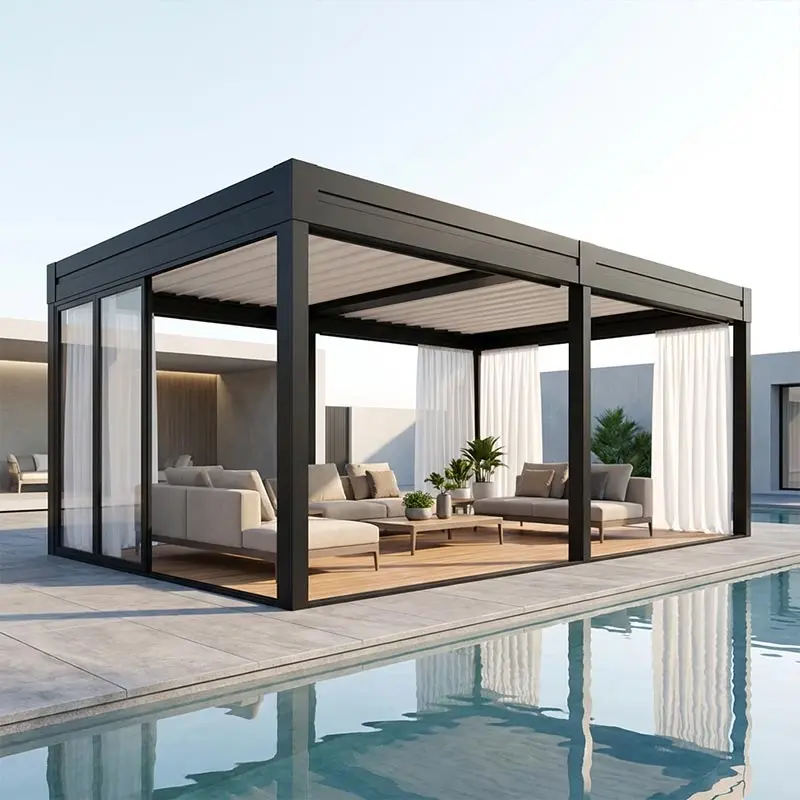
The winner is the one that fits your house and matches how much cleaning you want to do.
Go with wood when you really love that natural, bumpy texture. It is great if your house has a classic vibe and you don’t mind spending weekends painting. It is also smart if you have a tricky yard shape that needs custom cutting on the spot.
Pick aluminum when you hate doing chores. It is perfect for neat, straight lines, custom paint colors, or fancy moving roofs. It works magic in sticky hot towns and salty beach areas. It is also the best pick for busy restaurants that can’t close down just to paint a roof.
Foshan JHR Smart Tech Co., Ltd. is a great supplier. They make motorized louvered pergolas, retractable pergolas, aluminum alloy pergolas, cool awnings, and carports. They can change the size and colors for you. They also do OEM/ODM factory work.
Their OEM/ODM and setup help includes worldwide shipping and clear building steps. JHR’s website promises a 1-year comprehensive warranty for the parts. They have longer plans if you ask. Make sure to check the exact rules for your motor and parts in the price quote.
When you ask for a price, send them your yard sizes and clear photos.you request a custom pergola quotation. Tell them about the roof style, color, and your town. This helps them plan the best water drains, ground bases, and electric setup for you.
Q1: Which is better, a wooden pergola or an aluminum pergola?
A: Aluminum is awesome for lazy weekends, tough paint, and moving roof parts. Wood is better for a natural feel, classic style, and easy yard cutting.
Q2: Is an aluminum pergola more expensive than a wooden pergola?
A: A custom metal frame with motors might cost a lot more on day one. But you must look at the whole picture. Add in the ground work, electric bills, future paint, and broken parts to see the real price over time.
Q3: Which pergola material requires less maintenance?
A: Aluminum takes way less work. You just wash it, check the drains, and look at the screws. Wood means heavy sanding, sealing, and a lot of messy painting.
Q4: Is aluminum better for a coastal home?
A: Metal is great for the beach if the paint, screws, and cleaning rules are made for heavy salt. Always ask the builder to clearly state how much sea salt the paint can handle.
Q5: Can a wooden or aluminum pergola have a louvered roof?
A: Yes, both can hold different roofs if built strong enough. But motorized louver systems fit best on custom metal frames. Always double-check the motor, remote controls, rain drains, and power needs before you buy.