Nullam dignissim, ante scelerisque the is euismod fermentum odio sem semper the is erat, a feugiat leo urna eget eros. Duis Aenean a imperdiet risus.
Nullam dignissim, ante scelerisque the is euismod fermentum odio sem semper the is erat, a feugiat leo urna eget eros. Duis Aenean a imperdiet risus.

 author
Material, structure, automation, and purchasing criteria for residential and commercial entrances
Technical and purchasing reference
Outdoor gates face rain, ultraviolet exposure, dust, salt air, repeated movement, and occasional vehicle contact. Material selection starts with the site conditions, opening size, operating frequency, security level, and maintenance plan.
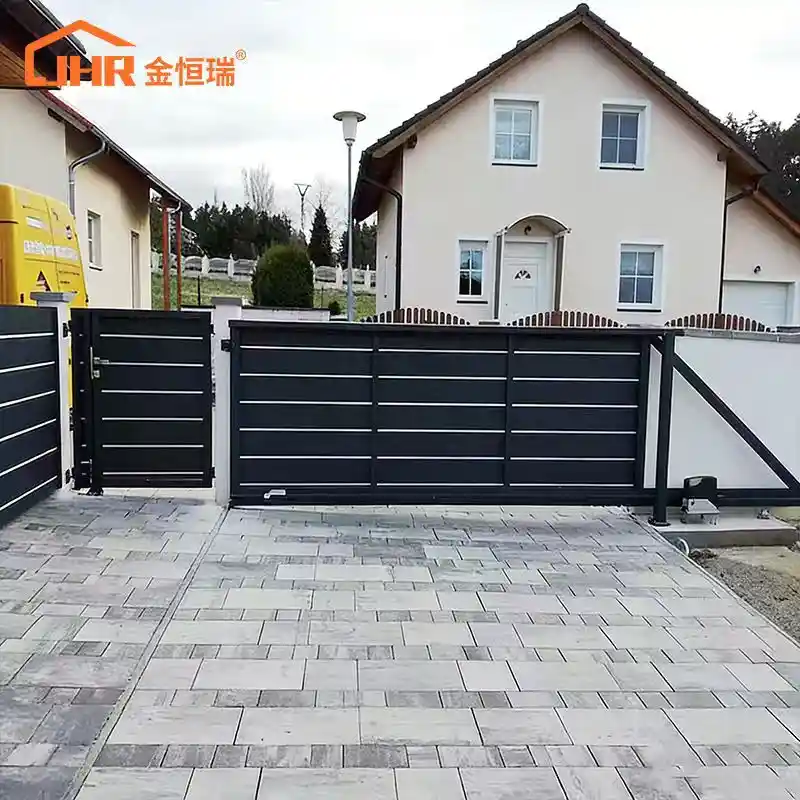
Aluminum suits many homes, villas, commercial entrances, and light industrial sites. Its protective oxide layer resists iron-oxide corrosion, its low mass reduces loads on moving components, and powder coating provides the specified color and surface finish. A cantilever layout also keeps the driveway opening rail-free, which helps on sites affected by gravel, leaves, snow, ice, or uneven paving.
Water collects around joints, exposed edges, fasteners, and welds. Coastal air adds salt to these areas. Carbon steel relies on an intact protective finish, and scratches or damaged weld coatings can expose the steel to corrosion.
Aluminum forms a protective oxide layer at its surface. Outdoor powder coating adds color, ultraviolet resistance, and another barrier against weather exposure. Routine cleaning usually consists of water, mild detergent, and a soft cloth.
Gate strength comes from the complete assembly: alloy and temper, profile dimensions, wall thickness, frame geometry, weld quality, posts, rollers, hinges, and fasteners.
Steel provides high rigidity and impact resistance. Aluminum provides a lower moving mass. On automated sliding and cantilever gates, lower mass reduces the static and acceleration loads carried by the motor, rack, roller carriages, posts, and foundation.
Maintenance costs include surface repair, repainting, hardware adjustment, cleaning, and motor service. Powder-coated aluminum requires periodic washing and inspection of joints, rollers, hinges, fasteners, and safety devices. Coated steel also requires prompt repair when scratches expose the substrate.
| Material | Typical applications | Main properties | Design requirements |
| Aluminum | Homes, villas, commercial entrances, humid sites, automated gates | Corrosion resistance, low mass, broad finish options | Correct alloy, profile size, wall thickness, and frame geometry |
| Carbon steel | Security gates, industrial entrances, high-impact sites | High rigidity and impact resistance | Complete coating coverage and scheduled surface inspection |
| Decorative steelwork | Traditional homes, estates, and courtyards | Detailed scrollwork and a traditional appearance | Strong posts, suitable operators, and coating maintenance |
| Stainless steel | Contemporary architectural projects and exposed sites | Corrosion resistance and high strength | Grade selection, fabrication quality, and a larger material budget |
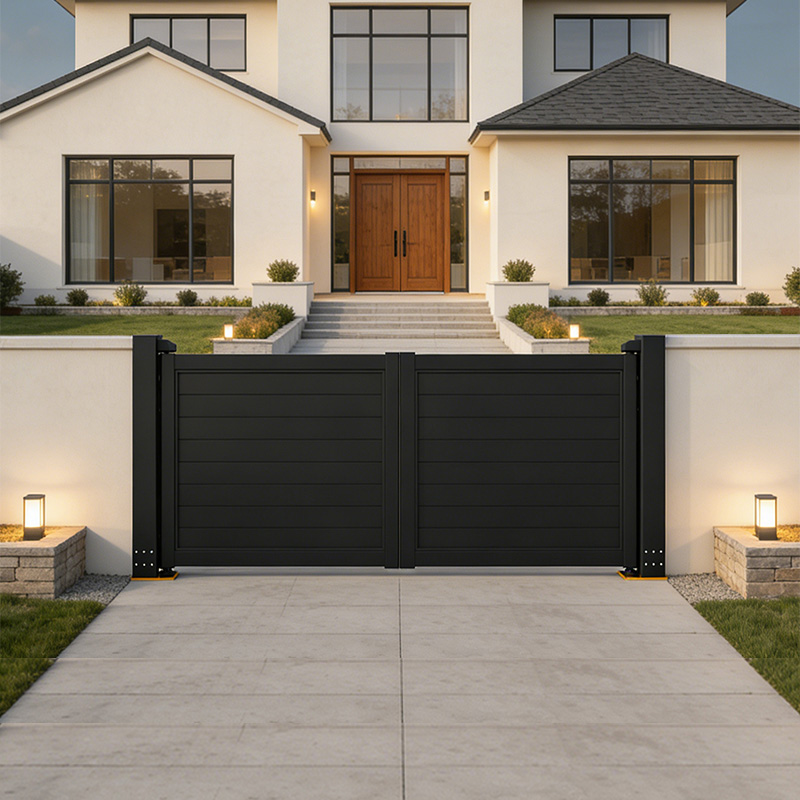
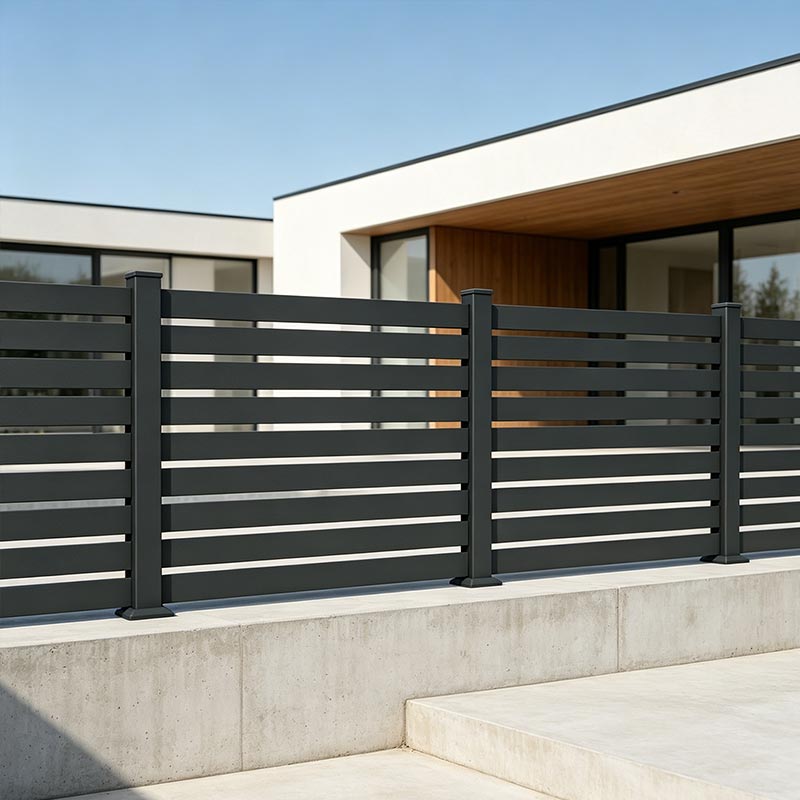
Aluminum gate frames support privacy slats, louvre blades, laser-cut panels, vertical pickets, and coordinated fence sections. Powder coat colors can follow standard or custom RAL references, with matte, gloss, textured, and wood-effect finishes available from many manufacturers.
The low moving mass suits swing, tracked sliding, telescopic, and cantilever systems. It also reduces manual opening force when the hardware and geometry are correctly sized.
Carbon steel suits entrances that require high rigidity or resistance to vehicle contact. Decorative steelwork supports traditional patterns and narrow ornamental details. Both applications need a coating system matched to the environment, complete coverage at joints and welds, and a documented inspection schedule.
Stainless steel provides corrosion resistance and a crisp architectural finish. Grade selection matters: coastal and chloride-rich environments commonly require a grade selected for chloride exposure. Material and fabrication costs usually place stainless steel in architectural and specialist projects.
An aluminum gate can serve residential, commercial, and selected industrial entrances when its structure matches the opening and duty cycle. Engineering inputs include the clear opening, gate height, infill type, wind exposure, daily cycles, operating speed, support spacing, and expected impact risk.
Structural-grade profiles, suitable wall thickness, accurate machining, controlled welding, corrosion-resistant hardware, and outdoor powder coating form the basic specification. Large privacy panels also require wind-load calculations because solid infill transfers substantial force to the frame, carriages, posts, and foundation.
Aluminum gates can use manual hardware or motorized rack-and-pinion systems. Access and safety equipment may include remote controls, keypads, mobile access, photocells, safety edges, warning lights, emergency release hardware, and obstruction-reversal controls. The installer should test each device after commissioning and record the results.
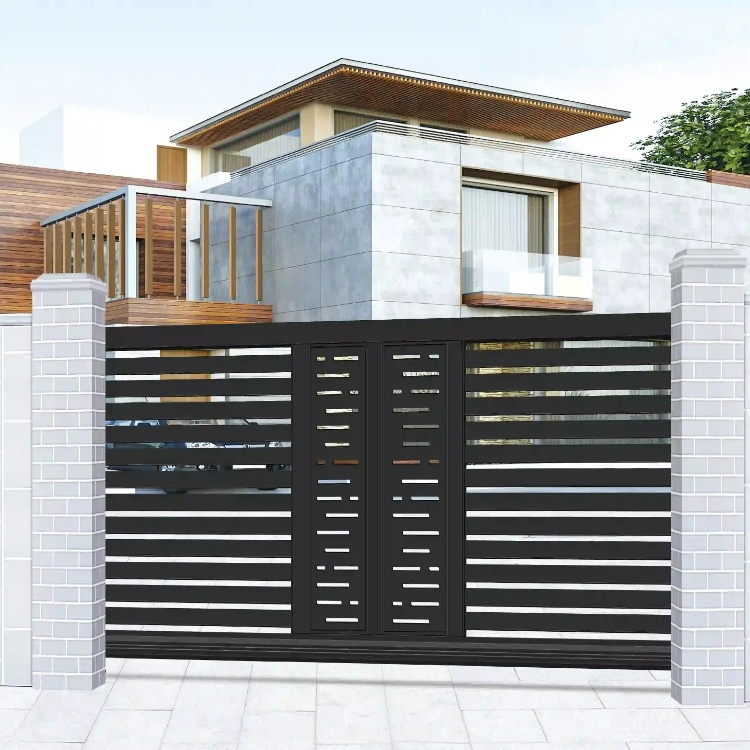
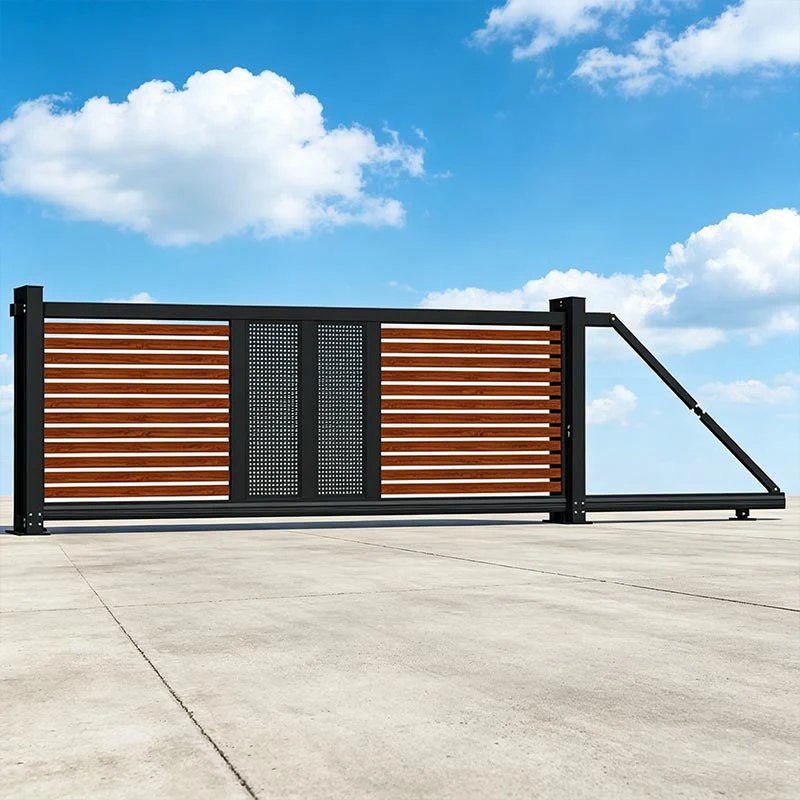
A cantilever gate travels above the driveway opening. Roller carriages fixed behind the opening support an extended lower beam, and the gate balances across those carriages throughout its travel.
The driveway opening contains a continuous paved surface. Leaves, gravel, mud, snow, and ice have fewer places to interrupt gate travel because the support mechanism sits beside the opening. The layout also removes a raised rail from pedestrian and vehicle paths.
Cantilever systems require additional run-back space beside the opening. The tail section commonly extends beyond the clear opening to balance the gate on its roller carriages. The supplier’s drawing should show the total leaf length, carriage spacing, post locations, foundation dimensions, and motor position.
Aluminum reduces the mass accelerated and stopped during each operating cycle. Motor selection still depends on gate weight, opening width, operating speed, wind load, slope, daily cycles, and local temperature. The manufacturer’s sizing chart should match the finished gate configuration.
Outdoor powder coating provides color and surface protection. Common choices include graphite black, basalt grey, other RAL colors, matte or gloss textures, and wood-effect finishes. Buyers should request the pretreatment method, coating system, film-thickness specification, color reference, and maintenance instructions.
Residential selection covers climate, driveway geometry, privacy, architectural style, daily cycles, pedestrian access, and planned automation. Aluminum supports modern profiles, coordinated fencing, and routine maintenance based on washing and hardware inspection.
Driveways affected by loose gravel, leaf buildup, snow, ice, or uneven paving are strong candidates for a cantilever layout. Telescopic systems suit sites with restricted side room, subject to the manufacturer’s opening and stacking dimensions.
Project buyers should request drawings and written specifications before comparing quotations. The review should cover:
Some buyers use a 2.0 mm profile wall as an initial purchasing reference for outdoor structural parts. Final dimensions depend on alloy, profile geometry, opening size, infill, wind exposure, support spacing, and duty cycle. An approved drawing and structural calculation provide the project-specific specification.
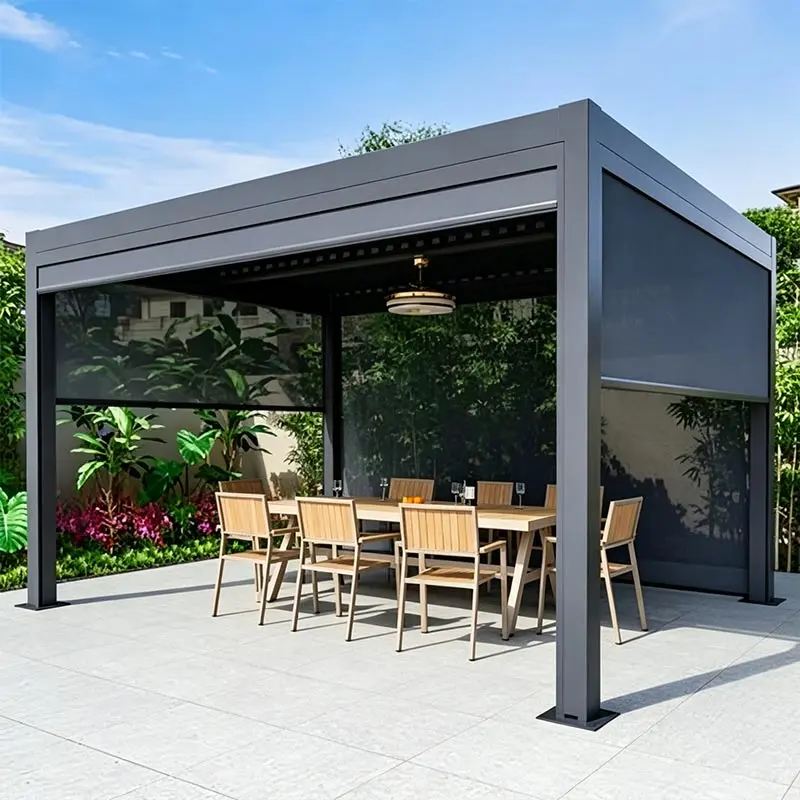
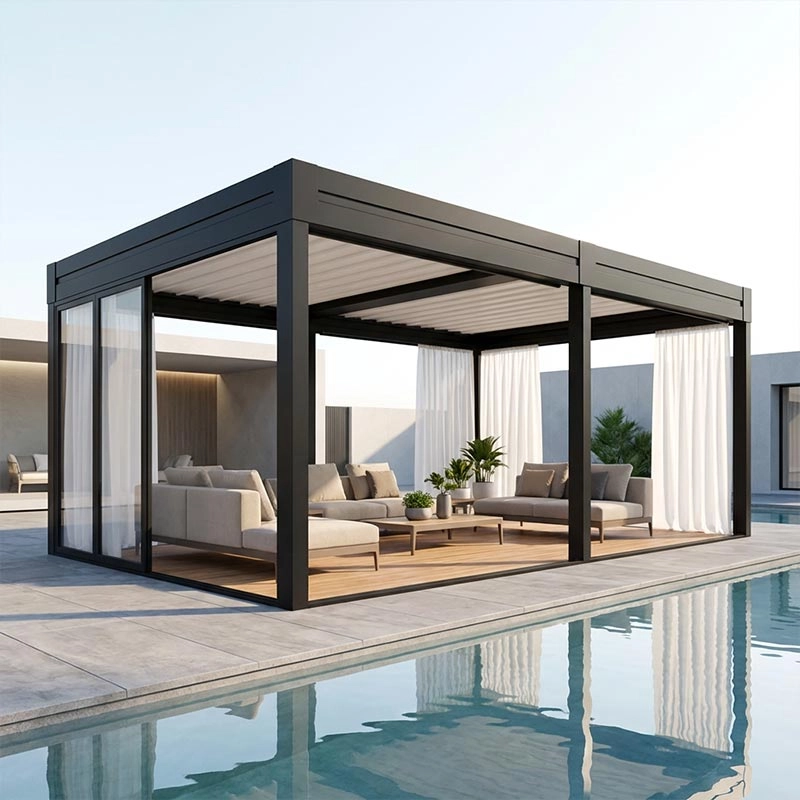
Foshan JHR Smart Tech Co., Ltd. supplies aluminum cantilever gates, sliding gates, swing gates, pedestrian gates, fences, pergolas, and related outdoor systems. Its listed services include OEM and ODM production, custom dimensions, colors, designs, branding, project drawings, installation guidance, and after-sales support.
Company materials cite over 10 years of factory experience, inspection from raw material through finished goods, CE, TÜV, and RoHS support, global export service, minimum orders starting at 10 sets, and production of selected standard products in about 15 days. Buyers should confirm the current certificate scope, inspection documents, model-specific lead time, warranty, and order terms in the quotation.
For automated aluminum gates, the supplier can coordinate the powder-coated structure with the motor, control board, photocells, and obstruction-reversal system. A complete quotation should identify each component by model and state the applicable electrical standard.
Aluminum suits entrances that prioritize corrosion resistance, low moving mass, finish options, and automation. Carbon steel suits entrances that prioritize rigidity and impact resistance. Stainless steel serves architectural and chloride-exposed applications when the selected grade and budget match the project.
Aluminum reduces the load carried by motors, hinges, rollers, posts, and foundations. Steel provides greater rigidity for a given section and suits higher impact loads. Opening size, infill, wind, security level, and duty cycle determine the final material and section design.
Aluminum forms a protective oxide layer and avoids iron-oxide rust. Pretreatment and outdoor powder coating protect the appearance and add a weather barrier. Coastal projects should specify suitable alloy, pretreatment, coating, hardware, and cleaning intervals.
A cantilever gate keeps the driveway opening rail-free and supports the leaf on carriages beside the opening. A tracked gate carries the leaf on wheels running along a ground rail. Site drainage, debris, snow, paving condition, side room, leaf weight, and foundation design guide the layout choice.
The purchasing file should include profile dimensions, coating specification, hardware schedule, motor data, safety devices, approved drawings, foundation details, inspection records, packaging, lead time, warranty, and service terms.