Nullam dignissim, ante scelerisque the is euismod fermentum odio sem semper the is erat, a feugiat leo urna eget eros. Duis Aenean a imperdiet risus.
Nullam dignissim, ante scelerisque the is euismod fermentum odio sem semper the is erat, a feugiat leo urna eget eros. Duis Aenean a imperdiet risus.

 author
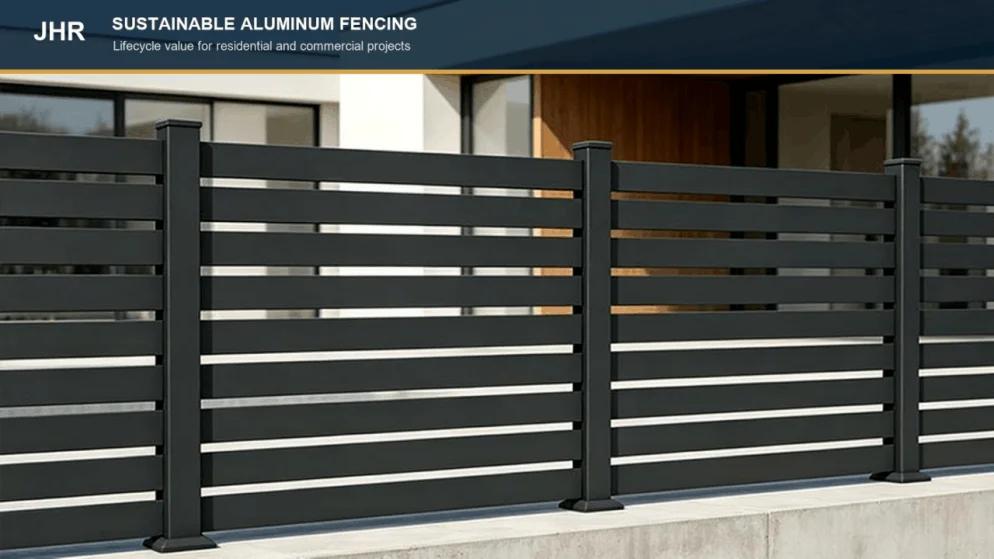
Ask three people what makes a fence eco-friendly and you may get three different answers. One will talk about recycled material. Another will mention trees. The contractor will probably ask how often the thing needs repainting. Fair question. A fence spends every day outside taking rain, sun, pool water, sea air, footballs, delivery trolleys, and the occasional badly parked car. Its environmental record depends on how well it handles that ordinary abuse.
Recyclability is a good start. The harder test begins after the truck leaves. If a fence stays straight, keeps its finish, and allows one damaged panel to be replaced without rebuilding the whole boundary, it saves material and labor year after year. This is where a well-made aluminum fence earns its place on residential, commercial, hospitality, and public projects.
Aluminum gives designers plenty to work with. It resists corrosion, can be formed into open pickets or private louver panels, and has an established recycling route. None of that excuses a weak post, a poor coating job, or the wrong foundation. Materials do not read project specifications. People still have to get those right.
Nobody enjoys replacing a fence ahead of schedule, least of all the person approving the second invoice. New panels must be made, packed, shipped, unloaded, and installed. The old run has to be removed. Full-aluminum fence panels avoid the rust found on exposed ferrous products, and they do not rot or attract insects like timber. The site still calls the shots. Coastal air, pool chemicals, strong wind, heavy in, and constant public use all change the profiles, coating, fasteners, posts, and foundations a project needs.
Aluminum can be recycled repeatedly, but practical sustainability also depends on whether damaged components can be repaired or replaced individually. For phased projects, retain approved drawings, color references, and hardware details so future orders can match the original fence.
Maintenance crews feel the difference quickly. Paint, stain, chemical treatment, replacement boards, and repeat site visits all cost money and consume materials.
A properly prepared, powder-coated aluminum fence normally needs cleaning rather than regular repainting. The small print matters. Pretreatment, coating coverage, curing, color selection, and site handling affect how the finish ages. Before handover, a contractor should walk the fence line and check cut edges, drainage points, scratches, and fastener contact areas. Near the coast or a swimming pool, the cleaning schedule should be written down rather than left to guesswork.
Aluminum panels are lighter than many steel alternatives, so site crews can usually move them with less lifting equipment. Export buyers still need to look at the packing plan. Long panels rub, corners take impacts, and dark powder coating shows careless handling. If poor packing leads to rejected panels and a second shipment, the weight advantage has not achieved much.
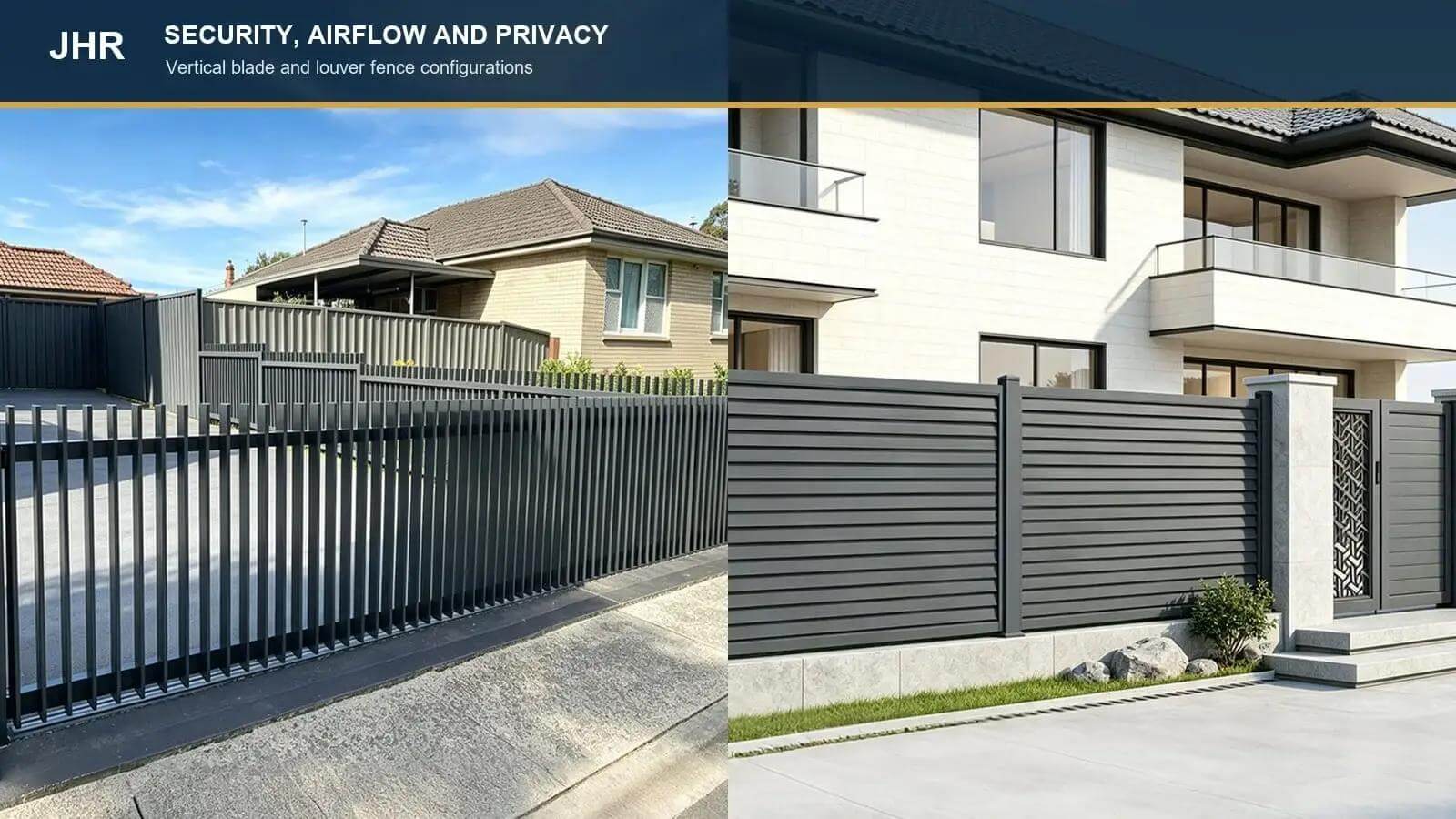
Panel shape changes how the fence behaves. It controls what people can see, how air moves through the boundary, whether the face offers footholds, and how much wind pressure reaches the posts.
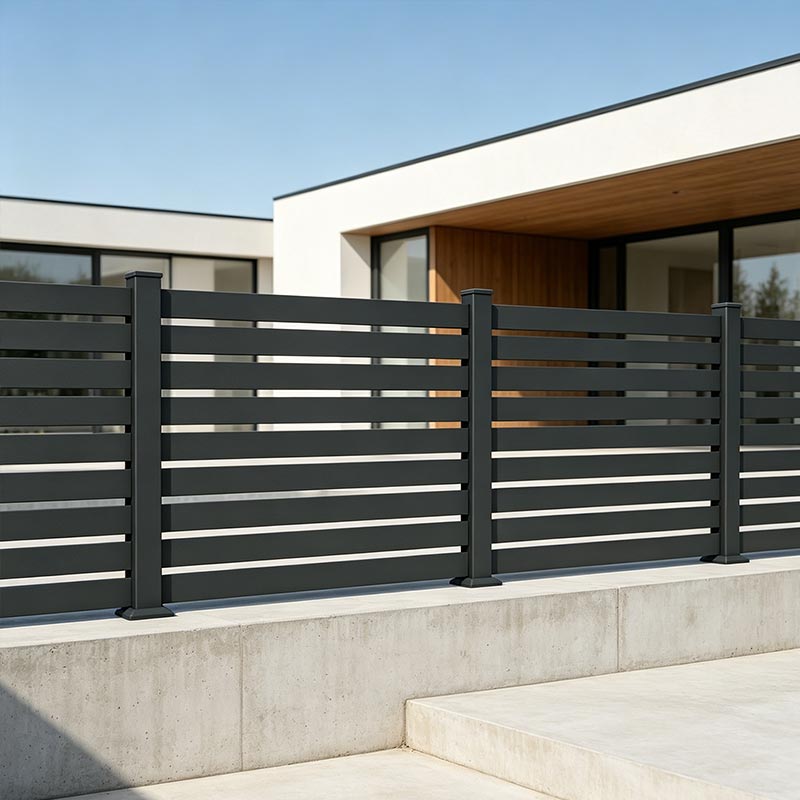
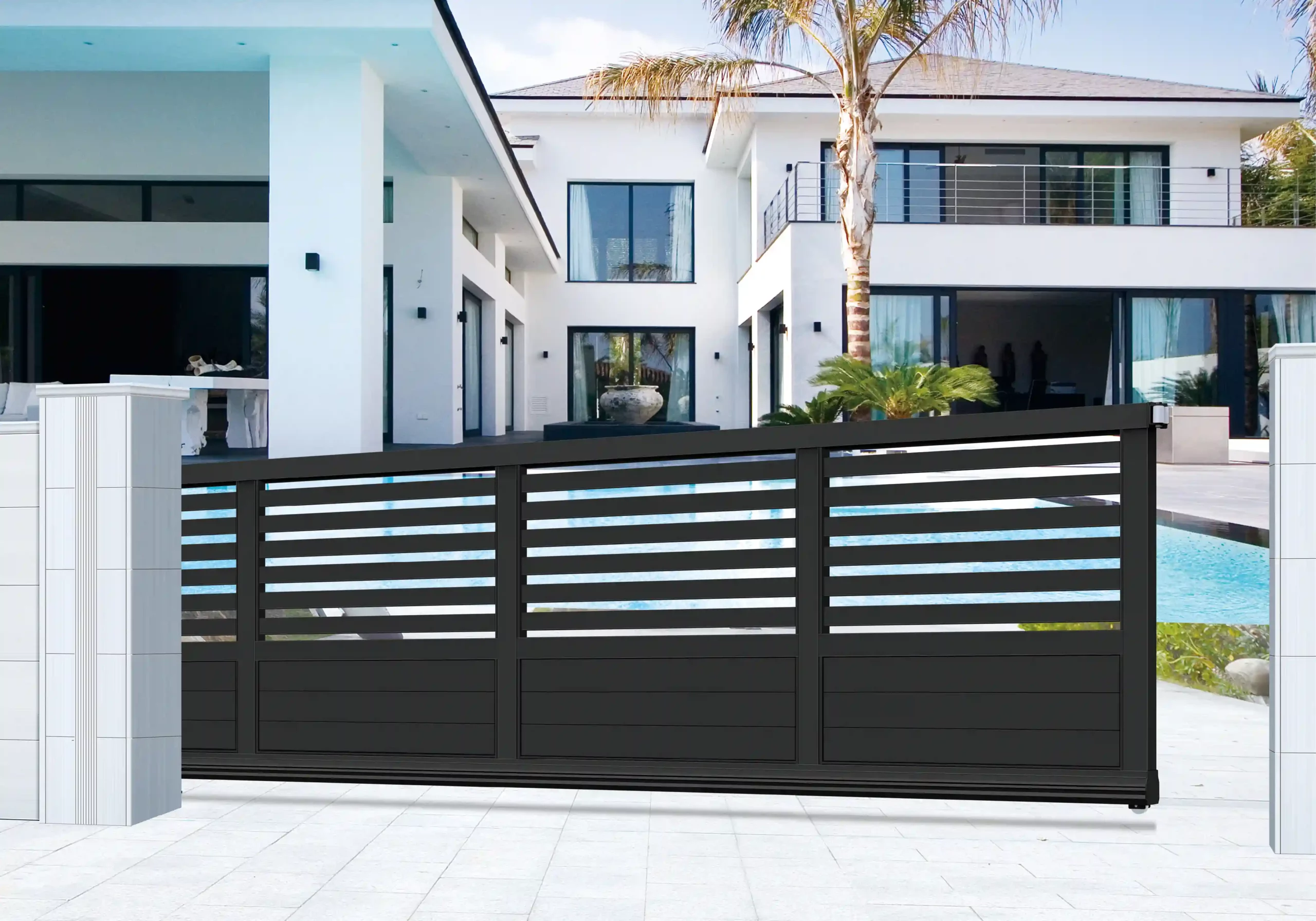
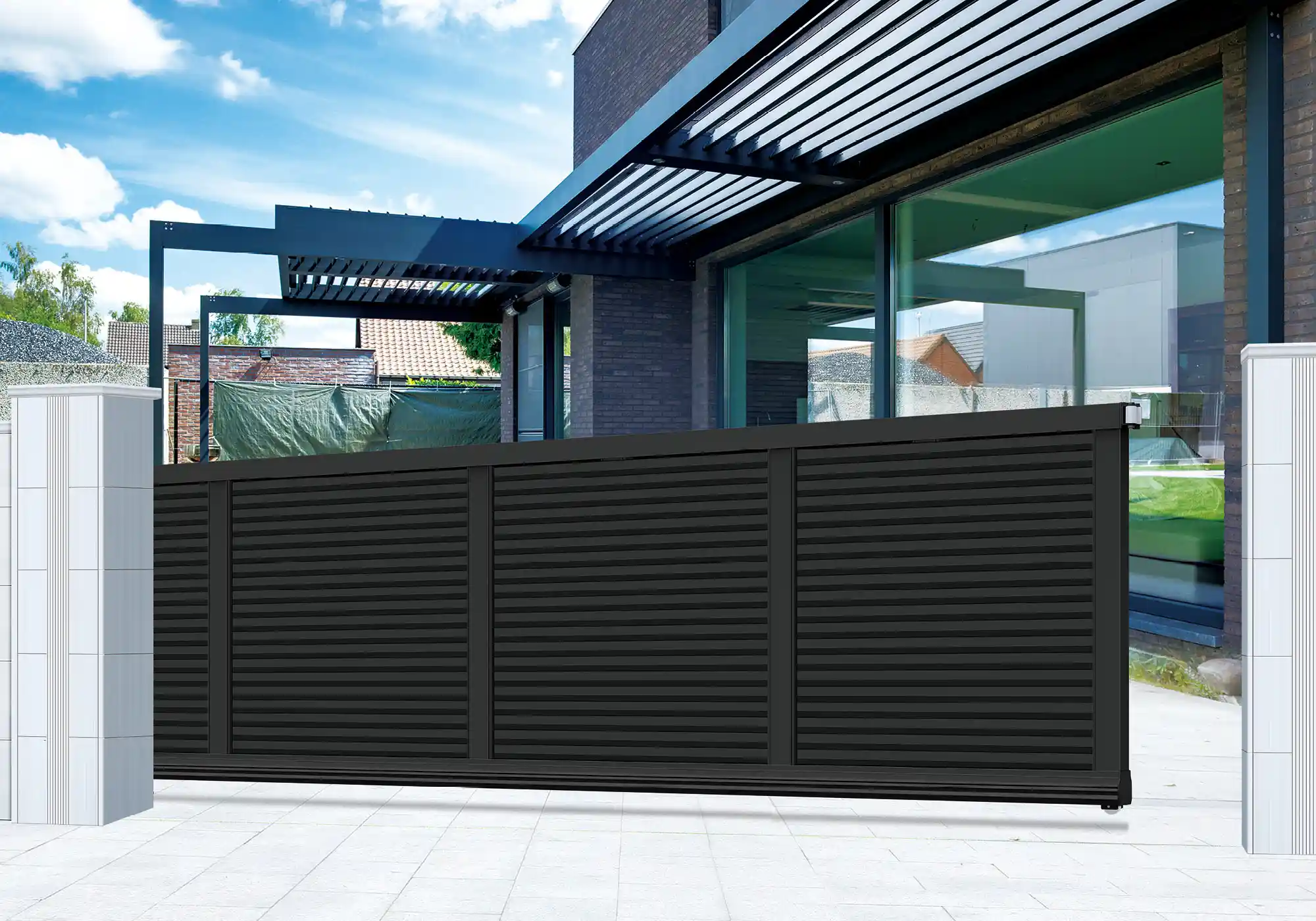
A horizontal slat aluminum fence can provide partial privacy without making the boundary feel solid. Change the gap and the result changes with it. A high-privacy aluminum louver fence cuts direct sightlines while allowing some airflow, which works well around villas, apartment terraces, hospitality areas, service yards, and equipment screens. Closed-looking panels catch more wind. Post spacing, profile size, foundations, and panel height need an engineering check before anyone approves the appearance.
Vertical blades or pickets suit front boundaries where owners want visibility and fewer easy footholds. The gap that works beside an office car park may be wrong beside a pool or a garden used by small children and pets. Local rules may control height, openings, gate latches, and the climbable zone. An export catalogue cannot answer those questions for every city, so the contractor has to check the code where the fence will be installed.
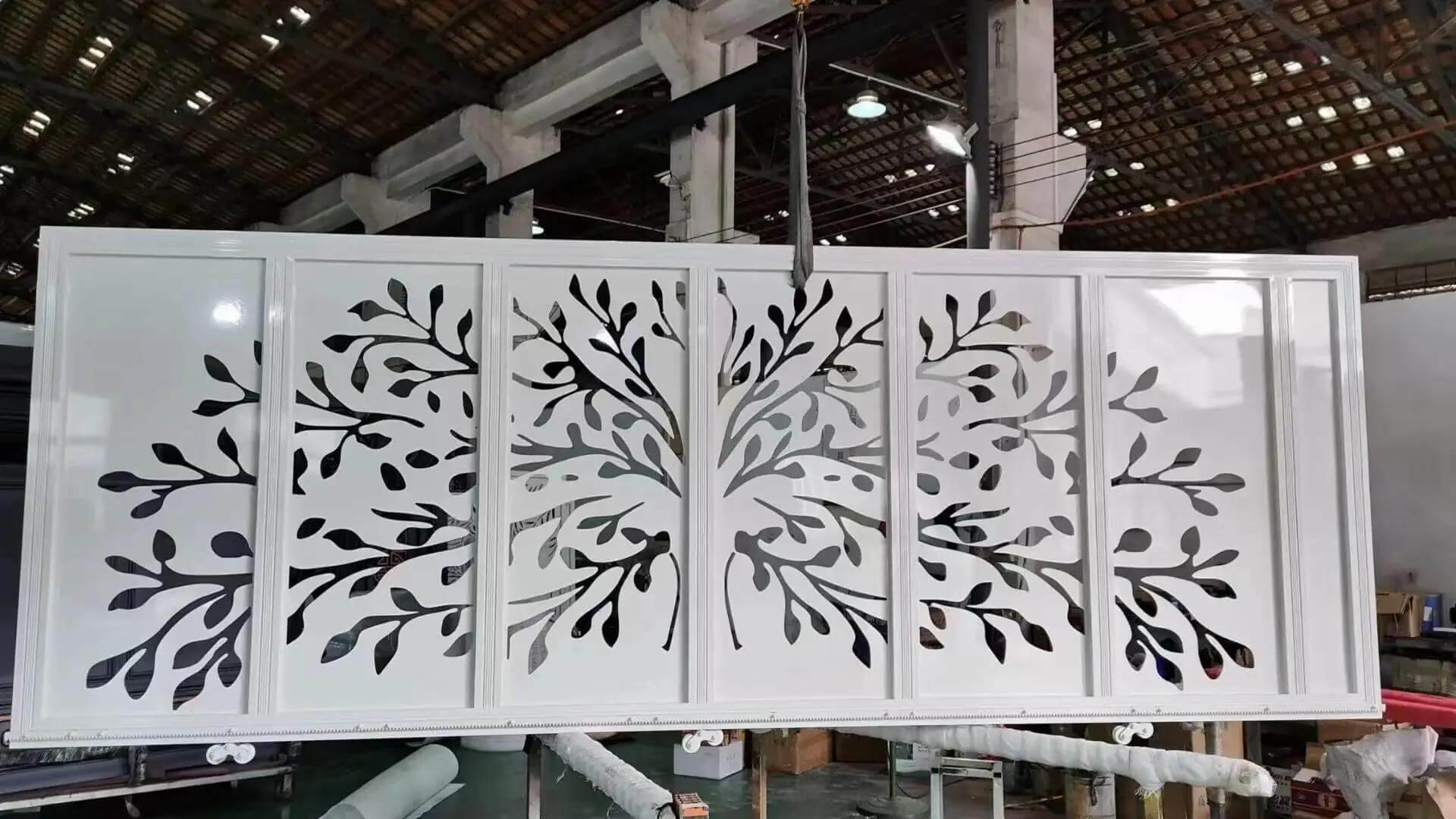
Many fence quotations start with a design,a height, a color, and a total length. That is rarely enough for an accurate project price. The missing details reappear later as revisions, exclusions, or site problems.
The lowest panel price can become the most expensive fence on the site. Recoating, slow installation, unavailable spare parts, packing damage, and a short service life quickly erase the saving. A useful comparison includes panels, posts, gates, brackets, fasteners, foundations, labor, cleaning, likely repairs, packing loss, and technical support. Contractors already think this way when protecting their margin. The same calculation also exposes wasted material and repeat freight.
6063-T5 aluminum fencing combines reliable strength, corrosion resistance, and low maintenance, making it a practical alternative to steel and timber. Unlike steel, it does not require frequent rust treatment, and unlike timber, it will not rot, crack, or attract insects. Its lightweight construction also simplifies transportation and installation while reducing long-term repair costs. JHR provides fully customized fencing in different sizes, colors, finishes, and styles to meet residential, commercial, and architectural project requirements. Free samples are available for material and finish evaluation. Contact JHR today to discuss your specifications and request a project quotation.
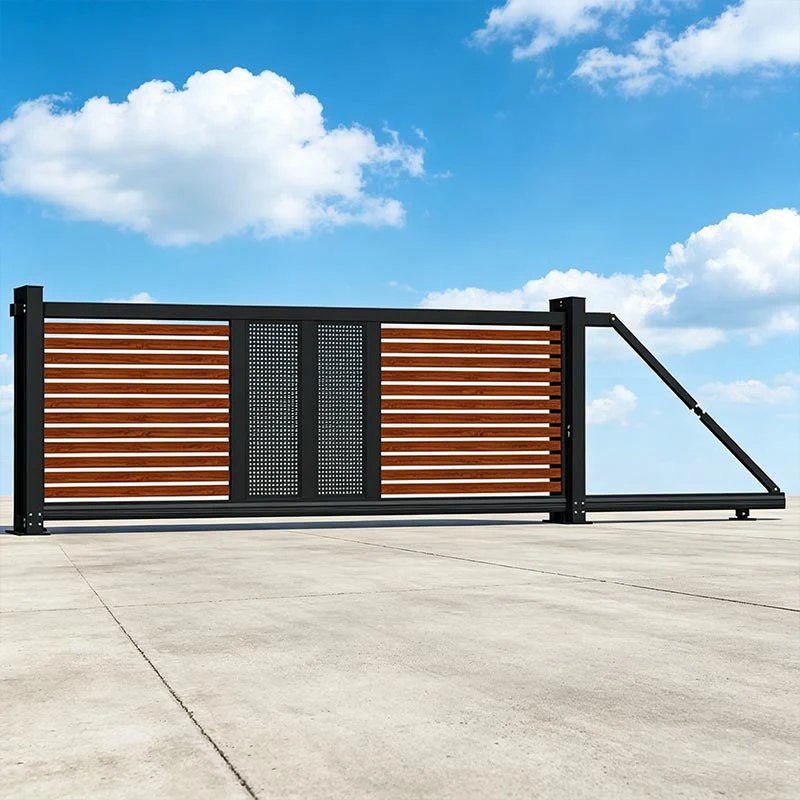
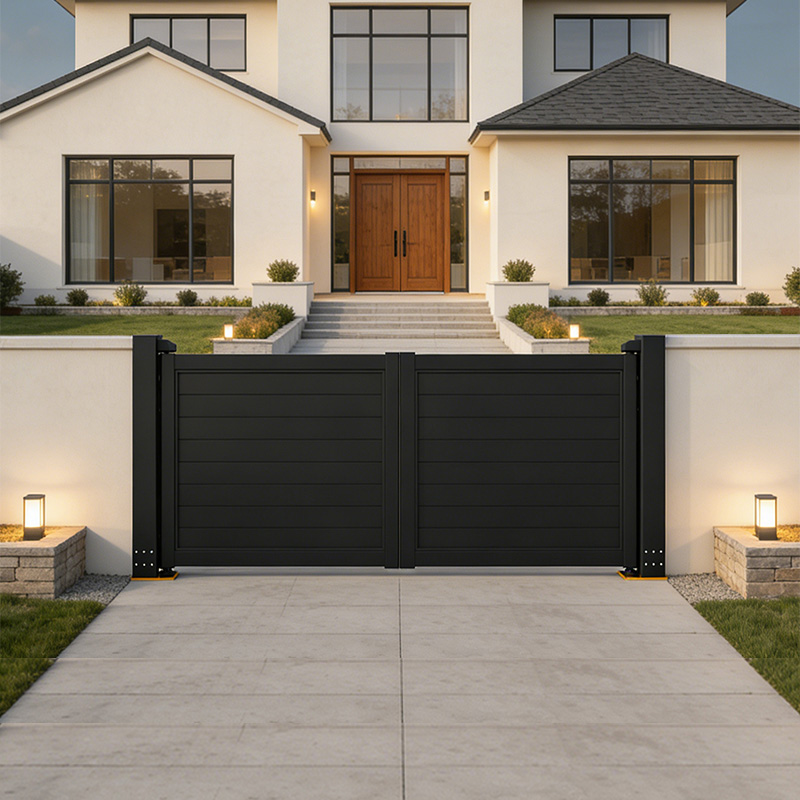
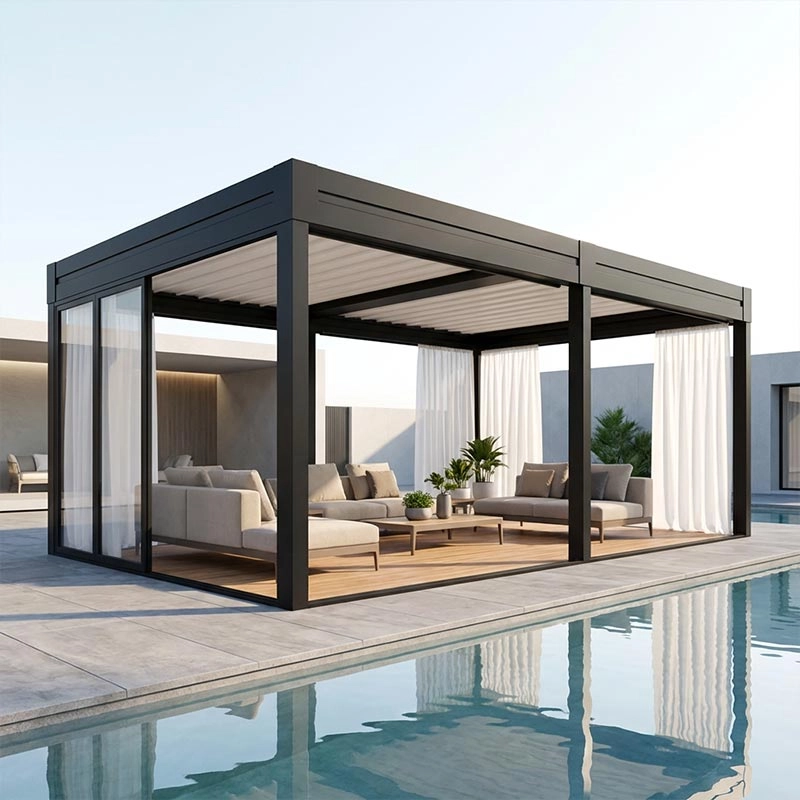
JHR manufactures full-aluminum outdoor gates, aluminum fencing systems, pergolas, and awnings in Foshan. The factory works from project drawings and can adjust dimensions, colors, structures, panel designs, and branding. It also handles production, inspection, export packing, and installation guidance. JHR supplies contractors, builders, outdoor project companies, wholesalers, renovation firms, trading companies, and private buyers. There is no minimum order requirement, so buyers can discuss one custom boundary or a larger development package.
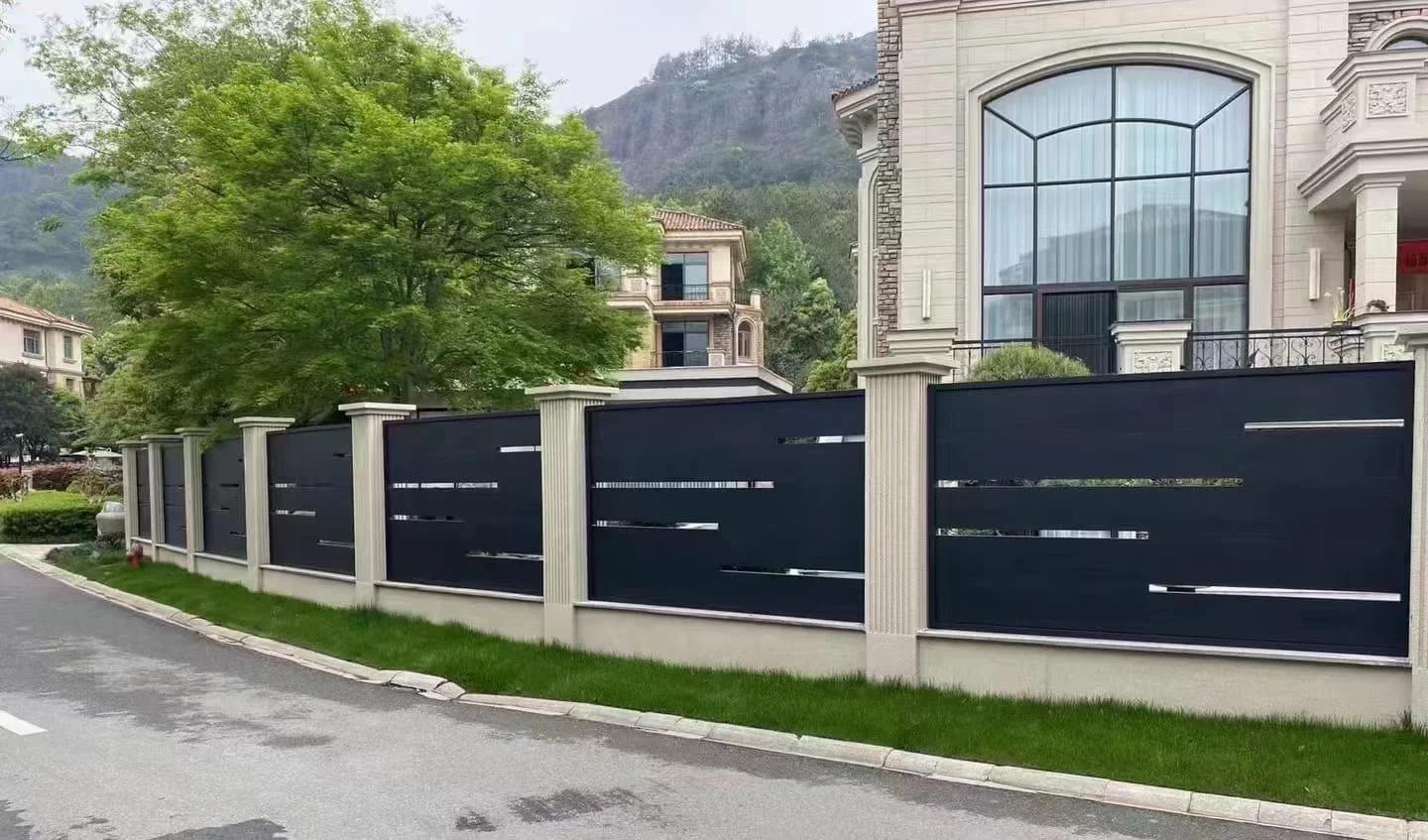
The greenest claim on a brochure will not fix the wrong post spacing or replace a discontinued bracket. Start with the site, expected use, maintenance plan, and the years the fence needs to stay in place. For a custom aluminum fence, commercial fencing package, or wholesale order, send the drawings, finish, privacy, security, and delivery requirements to contact JHR. Asking for the gate and fence together also helps avoid mismatched colors, missing hardware, and last-minute changes on site.
These answers address common industry and purchasing questions.
Q: Is every aluminum fence automatically sustainable?
A: No. Service life, recycled content, coating quality, repairability, transport, and correct installation all affect the result.
Q: Which aluminum fence provides the most privacy?
A: Louvered or closely spaced slat panels provide higher privacy, but their wind loading must be considered.
Q: Is aluminum fencing suitable for coastal sites?
A: It can be, provided the coating, hardware, cleaning plan, and structural specification suit coastal exposure.
Q: What should wholesale buyers compare?
A: Compare profiles, finish system, hardware, drawings, inspection, packing, customization, lead time, and technical support.
Q: Can aluminum fences match driveway gates?
A: Yes. Color, slat spacing, profiles, privacy level, and architectural style can be coordinated.

Why an Aluminum Luxury Gate Is a Smart Choice for Any Property